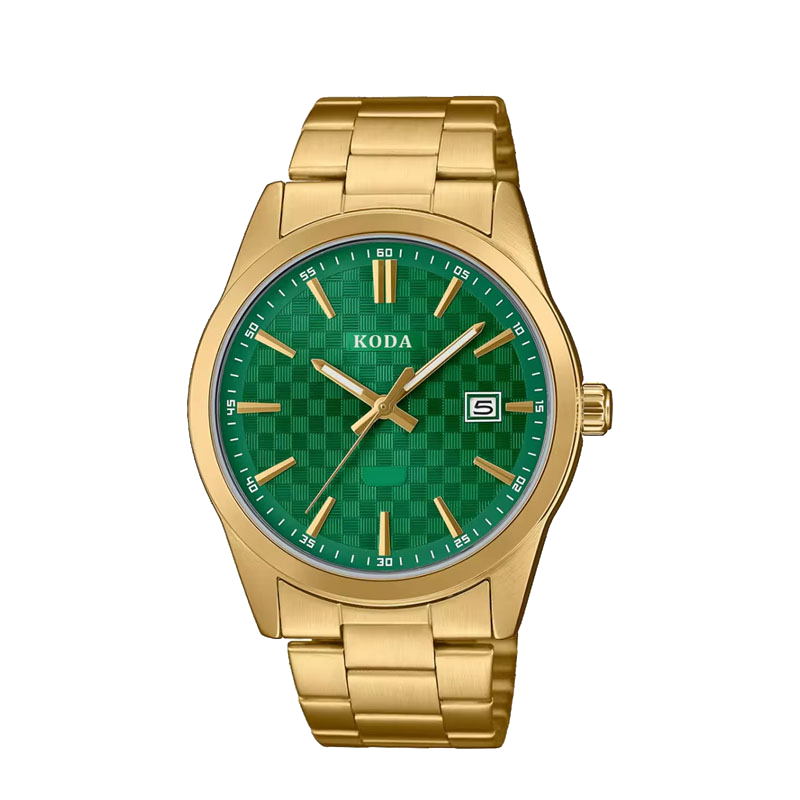
 Quartz Watch
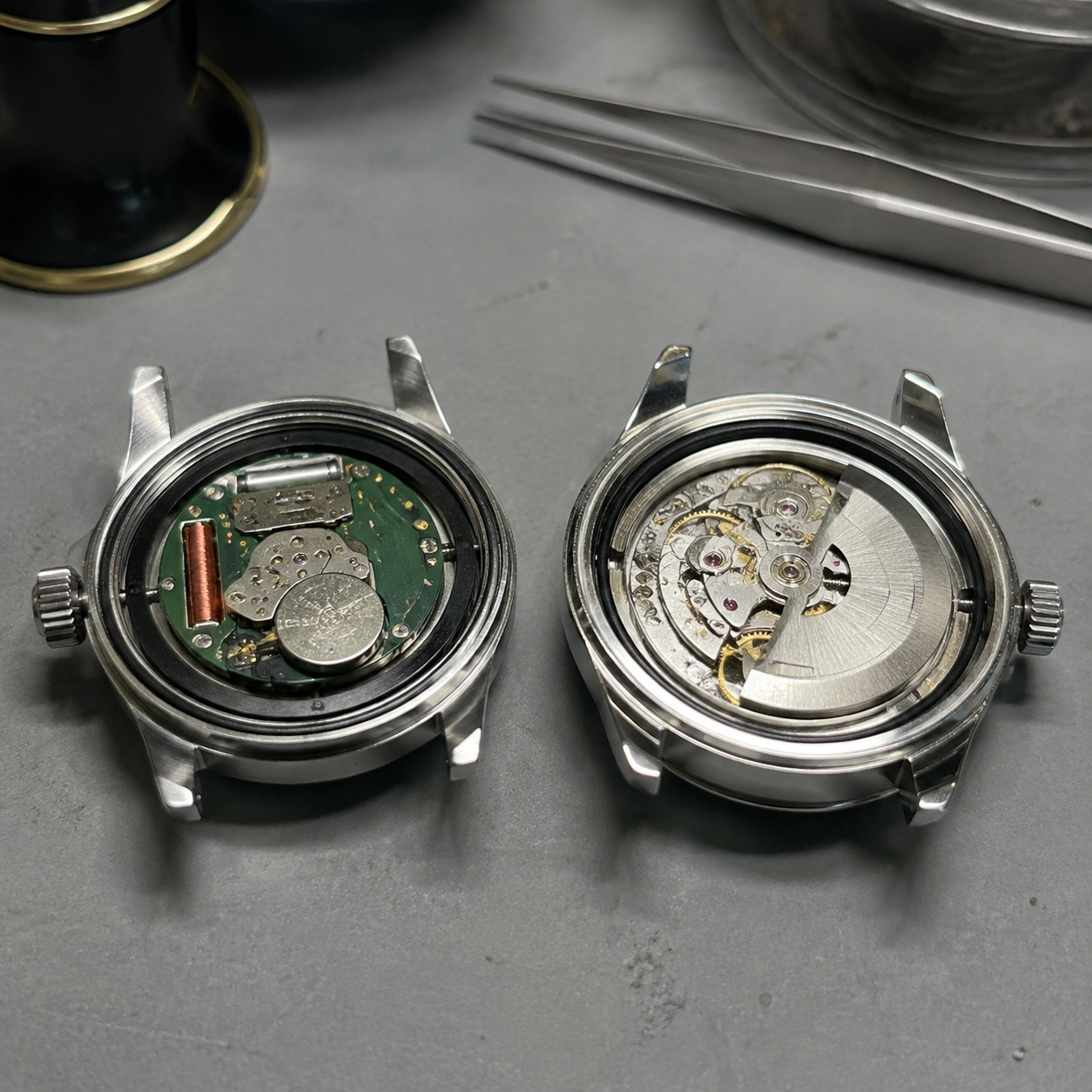
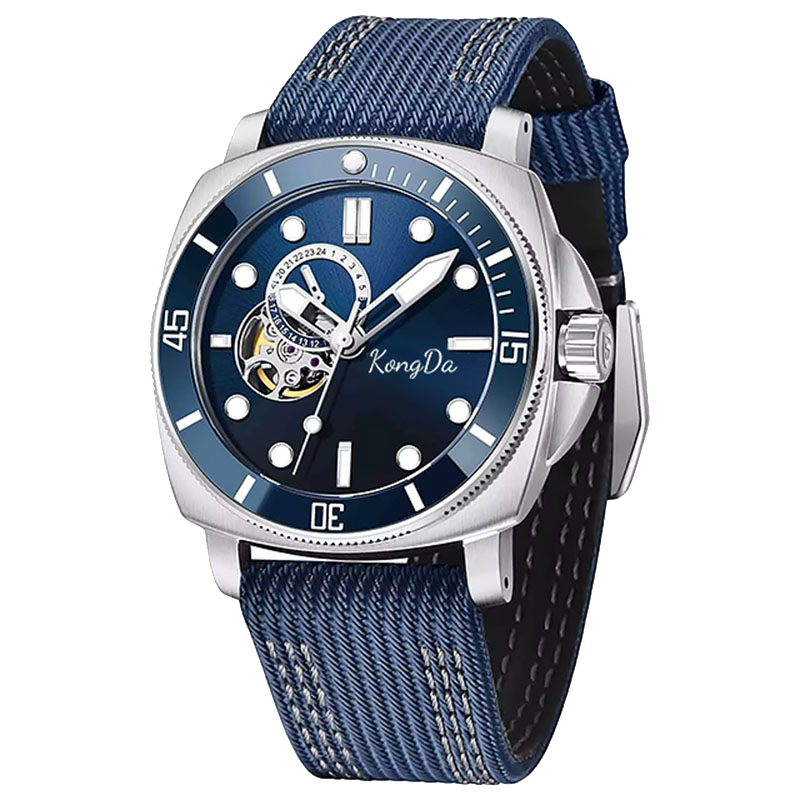 Mechanical Watch
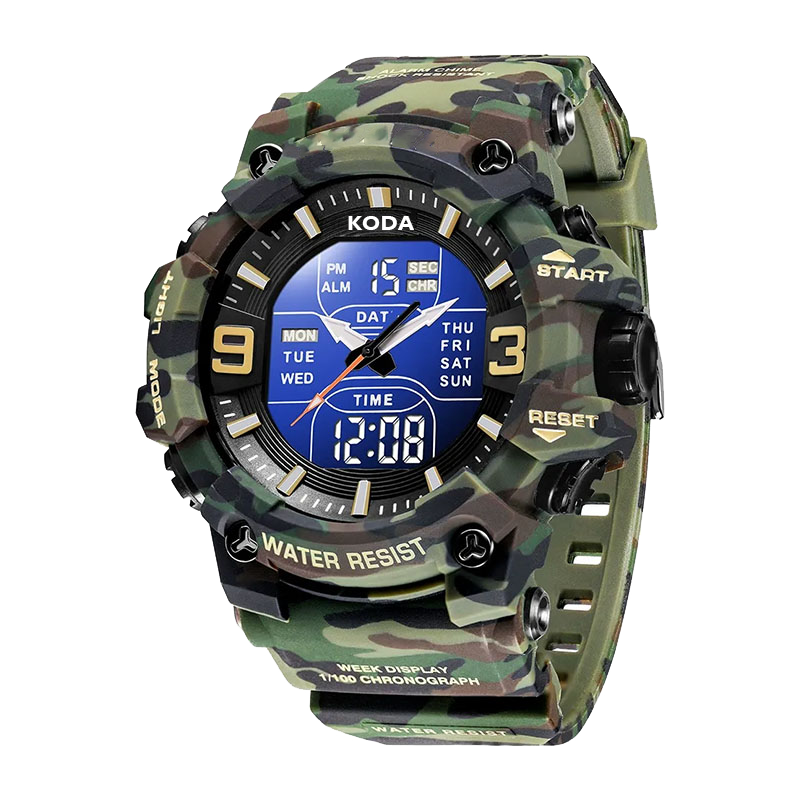 Digital Watch

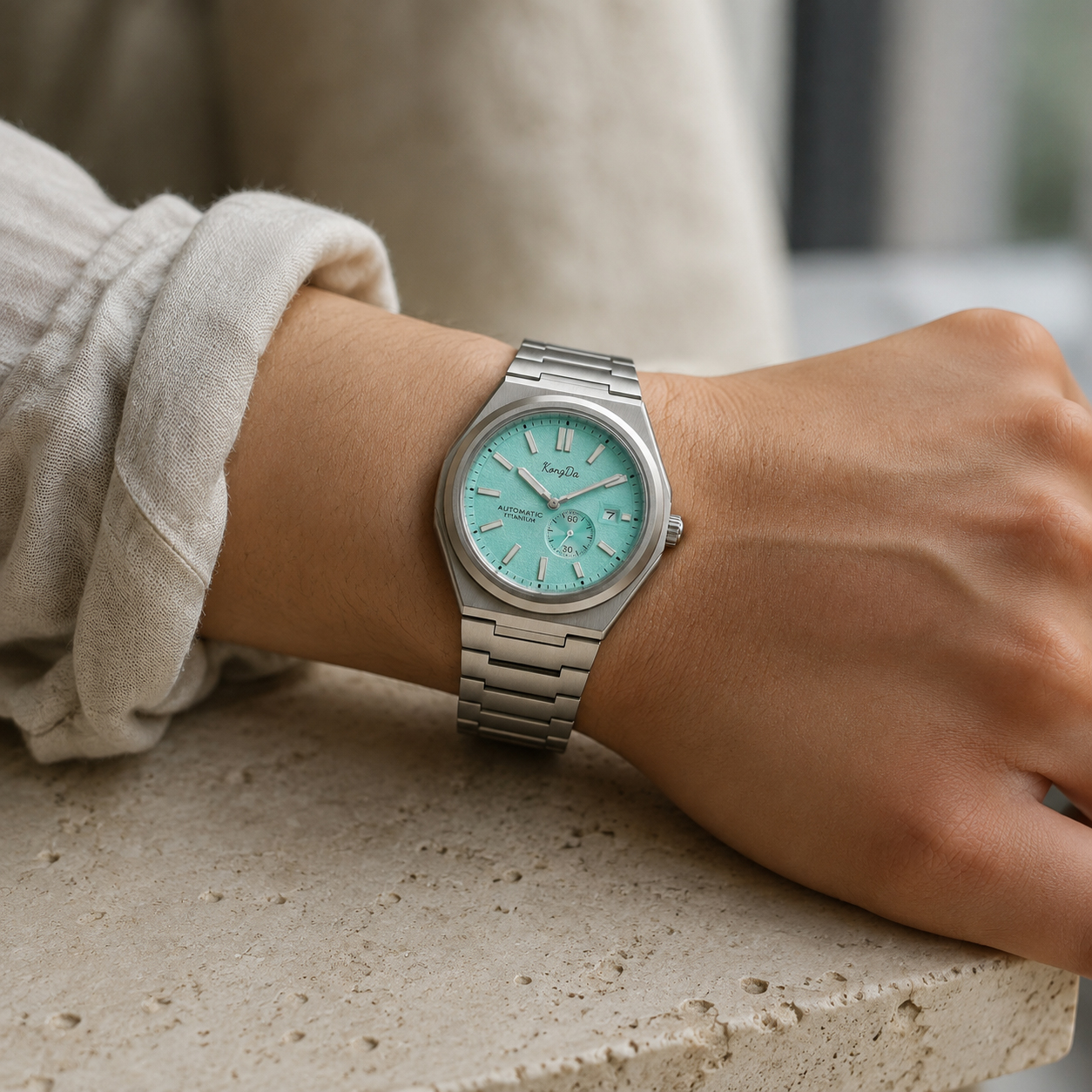
Why Our Wholesale Prices Look This Low — And What's Behind the Number
A buyer looking at two quotes side by side for what seems like the same watch will usually have the same reaction when one number comes in noticeably lower: suspicion, not relief. That instinct is usually right — in a market with counterfeit parts, reused molds, and skipped testing, a price that looks too good rarely is. But not every low number is a red flag. Some custom watch manufacturers genuinely operate at a lower cost base than others, for reasons that have nothing to do with cutting corners. Knowing which is which protects your margin and your reputation with your own customers, whether you're comparing wrist watch manufacturers for a first order or re-sourcing an existing line.
 |
 |
What's Actually Inside a Wholesale Quote
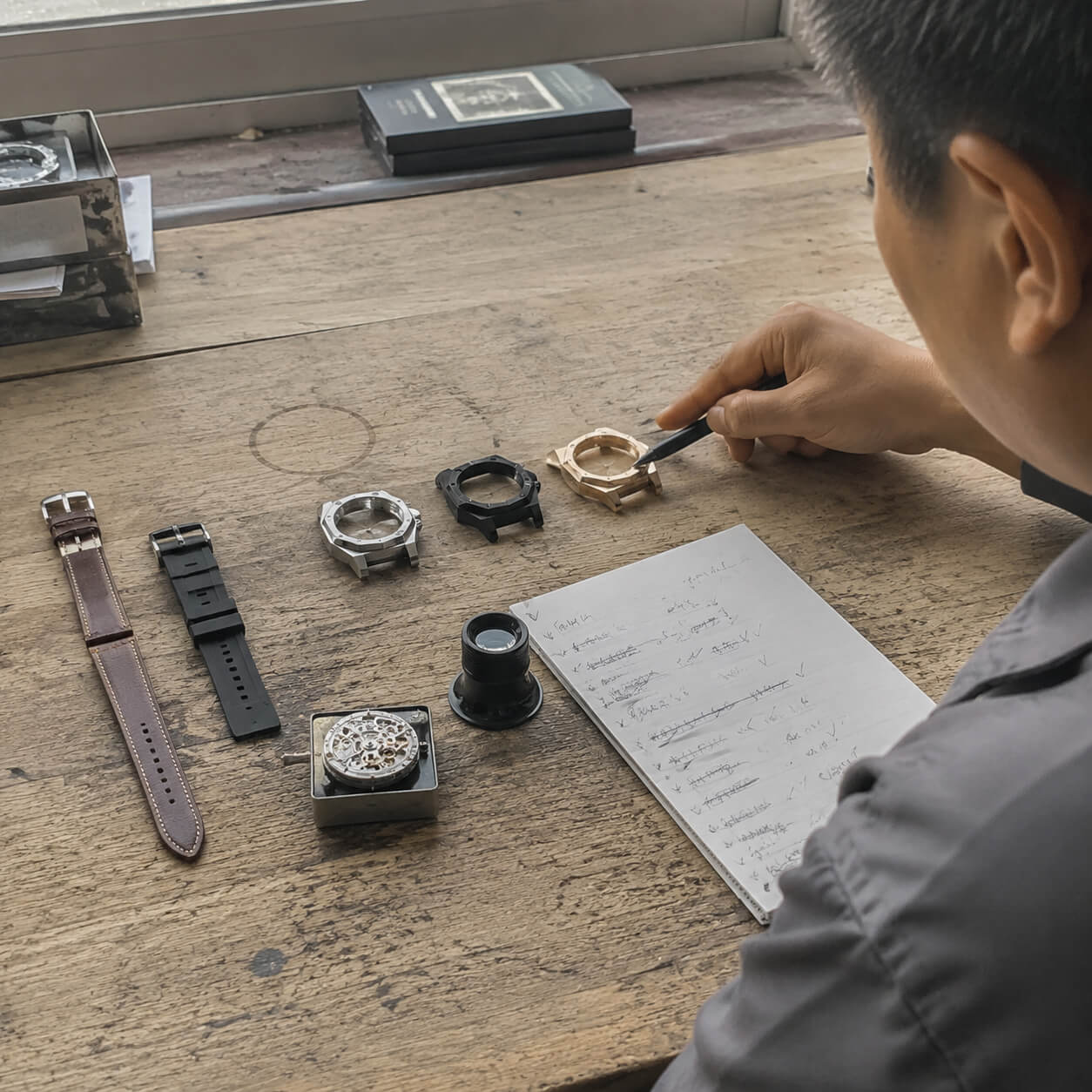
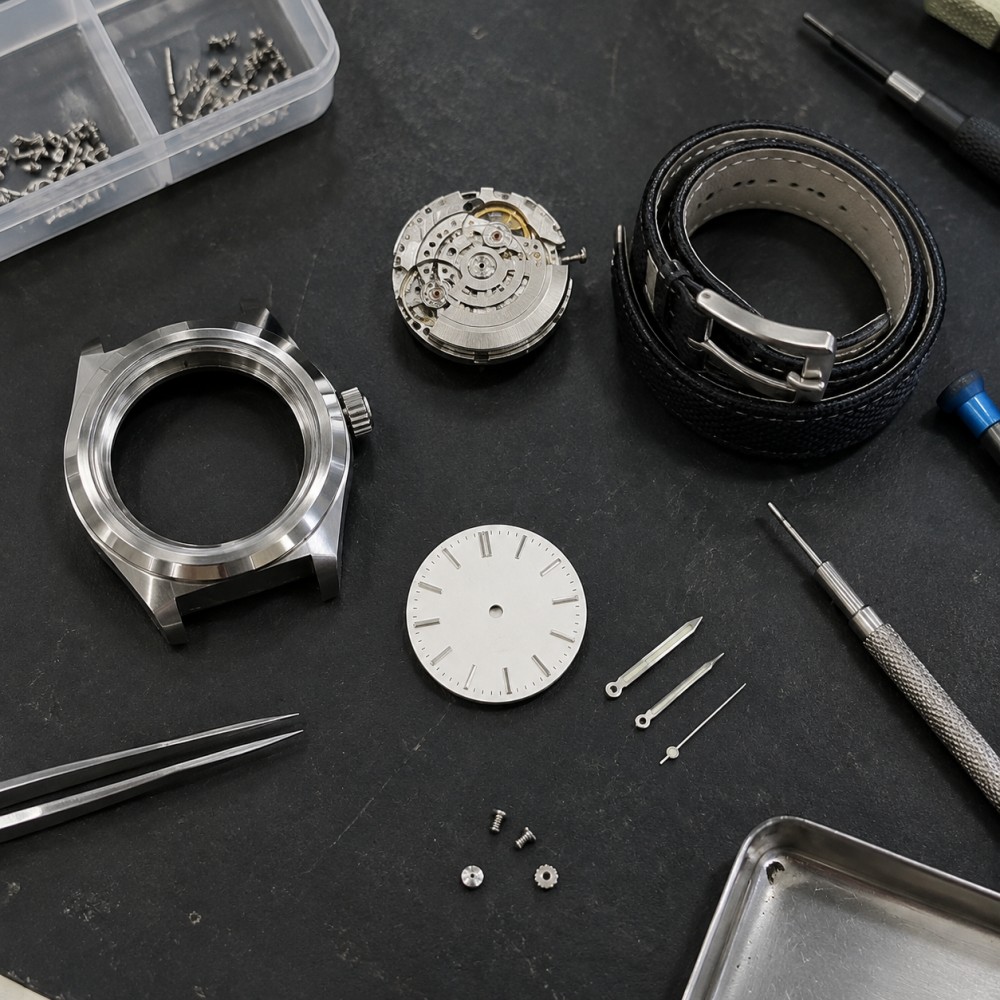
A wholesale watch quote isn't one number — it's five or six smaller ones stacked together: movement, case and crystal, strap or band, dial and hands with assembly labor, and packaging with QC. Each component has its own cost range depending on grade, and the final price is just the sum. The table below shows roughly how a mid-range quartz watch quote breaks down, based on typical private label orders placed with custom watch manufacturers at this price tier.
|
Component |
Typical Share of Unit Cost |
|
Movement |
15–25% |
|
Case & crystal |
20–30% |
|
Strap or band |
10–20% |
|
Dial, hands & assembly labor |
15–25% |
|
Packaging & QC |
10–15% |
None of these line items move much on their own. What changes the final number more is what sits outside this list entirely — brand marketing spend, multiple layers of middlemen, and one-off tooling costs that aren't shared across other orders. Those are overhead items, not component costs, and they are exactly where the gap between two quotes from different wholesale watch manufacturers usually comes from.
Why the Number Comes In Lower Than Expected
Three structural reasons explain why a quote from a factory-direct source tends to land below one from a reseller or trading company quoting the same specification.
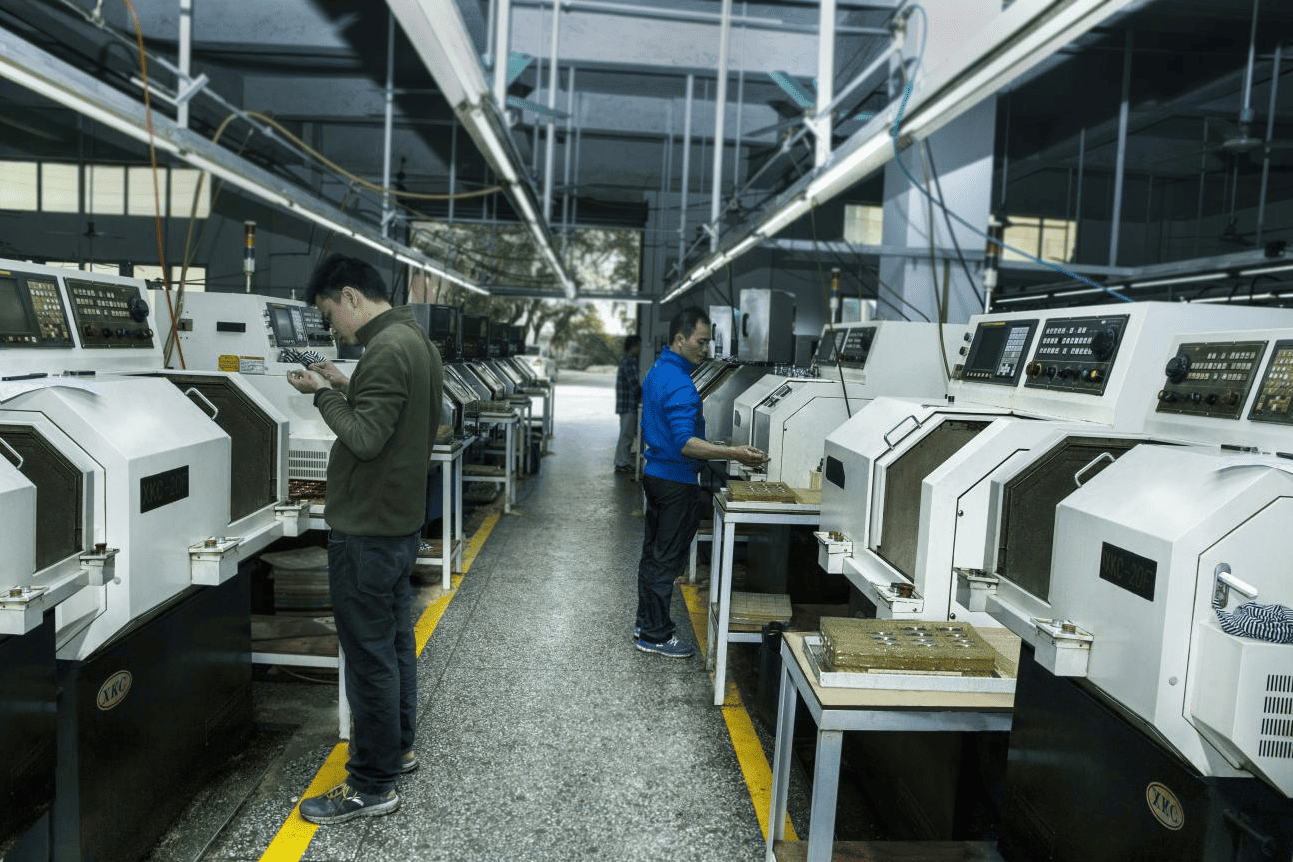
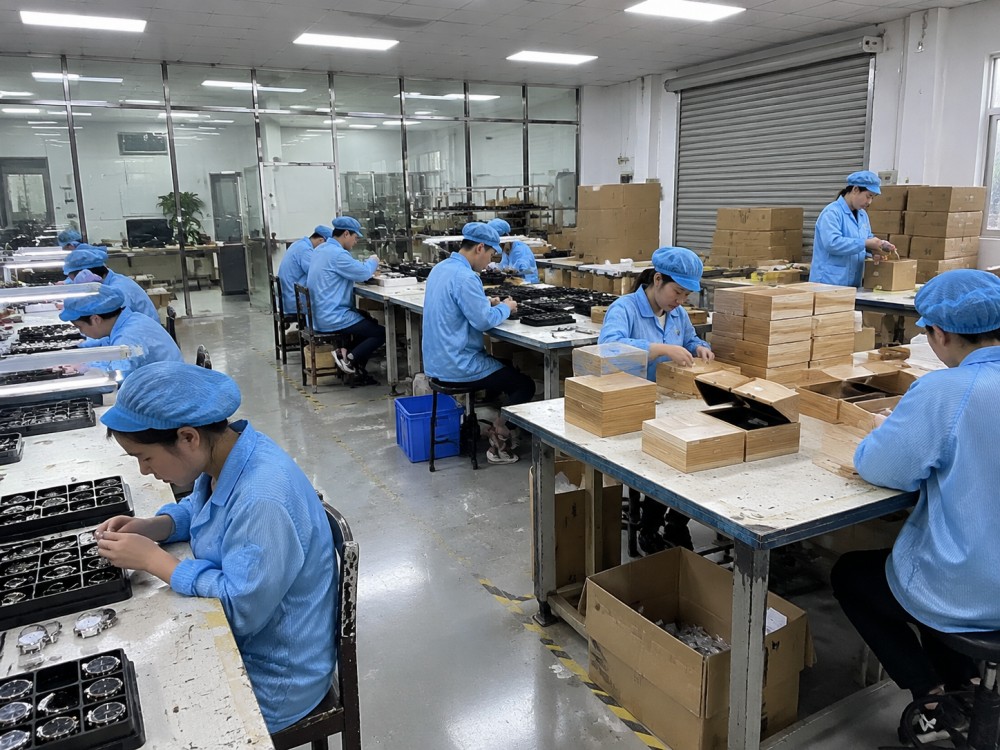
First, there's no brand markup. Watch manufacturing companies that sell under their own retail brand build in marketing budgets, showroom costs, and distributor margins before the product ever reaches a wholesale buyer. A factory quoting direct skips that layer because it isn't selling a brand — it's selling production capacity. This is also why some of the best watch manufacturers by output volume are names most retail buyers have never heard of; they were never built to be consumer-facing.
Second, tooling costs get shared. A private label mold for a case or dial typically costs several thousand dollars to cut, and that cost has to be recovered somewhere. At a factory running dozens of private label programs at once, that upfront cost is amortized across many clients' order volumes over time rather than loaded entirely onto one buyer's first run. Smaller wrist watch manufacturers that only run one or two private label programs at a time don't have this option, which is part of why their quotes tend to sit higher for a comparable spec.
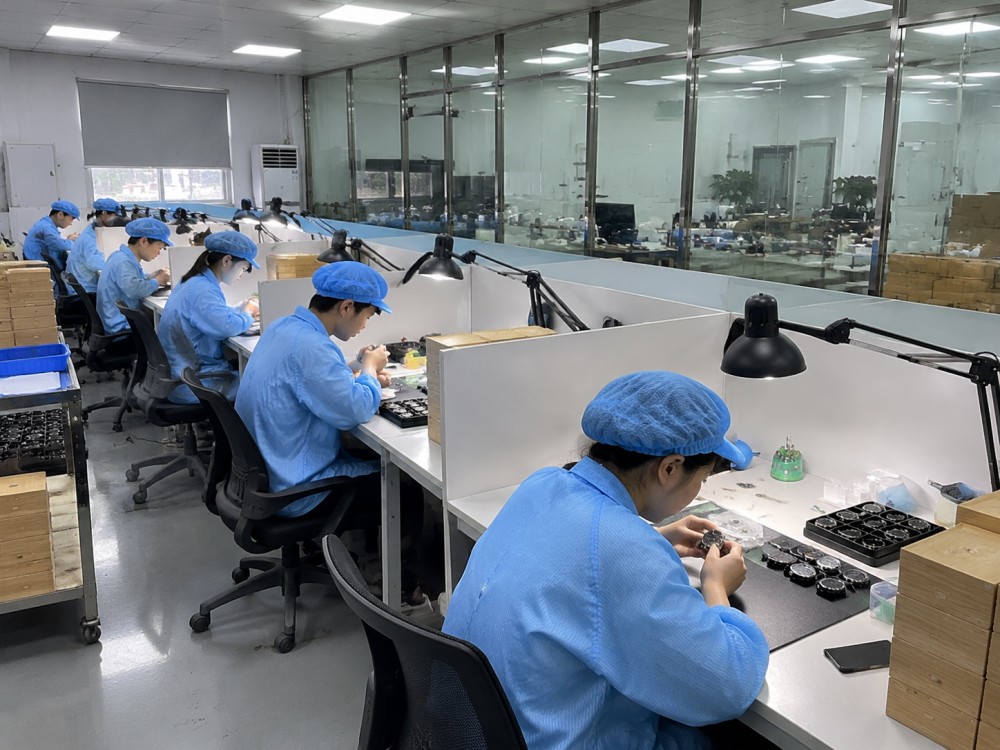
Third, component sourcing is local and concentrated. In manufacturing clusters like Shenzhen and Dongguan, case suppliers, strap makers, and movement distributors sit within a short drive of each other. Watch factories in these clusters aren't paying to ship components across provinces or wait weeks for parts — that logistics savings shows up directly in the quote, and it's a structural advantage that custom watch supplier relationships built outside these clusters generally can't match.
Where the Savings Don't Come From
Low overhead is a legitimate reason for a lower price. Skipped testing is not, and the difference matters enough to check before you order.
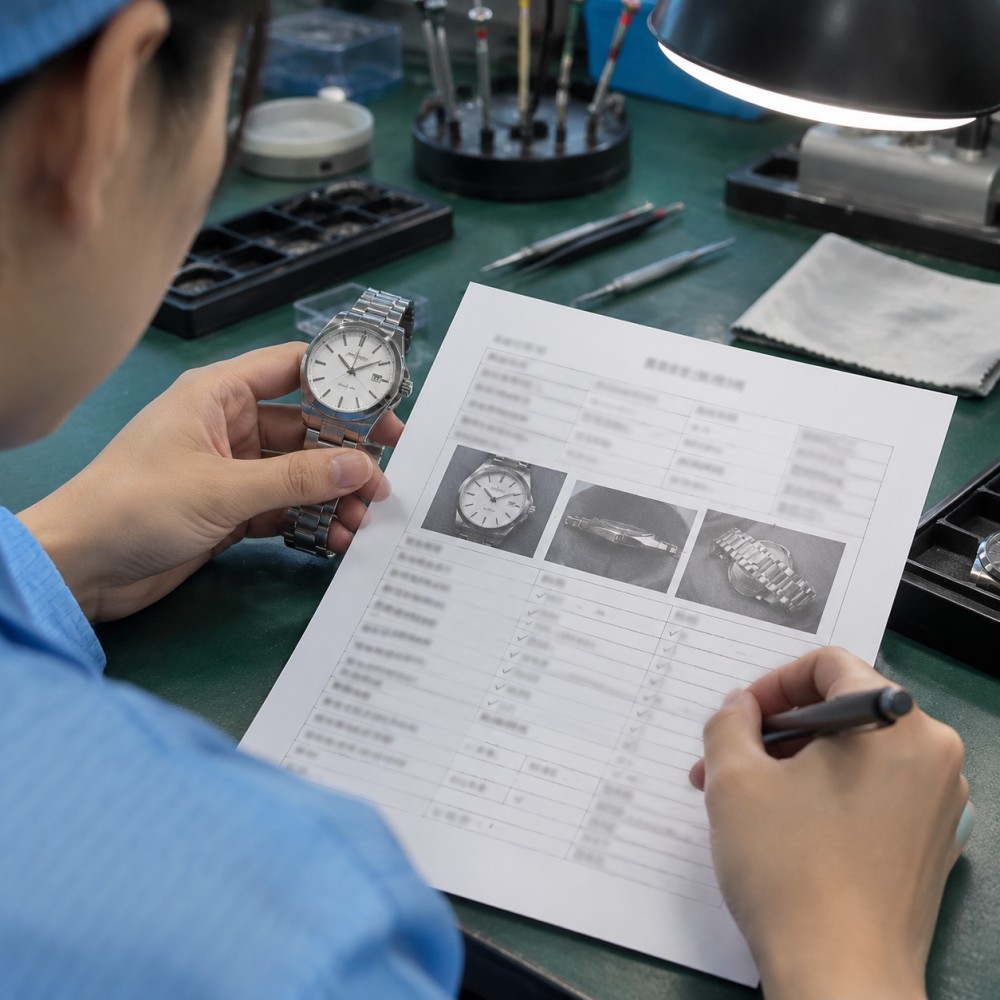
Plating thickness is one place corners get cut without being visible on a spec sheet — a coating applied at half the standard micron thickness will pass a visual inspection and still fail a salt spray test within weeks. Movement grade is another: a listing that says "automatic movement" without naming the caliber could be running a lower-tier mechanism than the quote implies. Waterproof rating claims without an actual pressure test behind them follow the same pattern — the number on paper and the number that holds up in use aren't always the same thing.
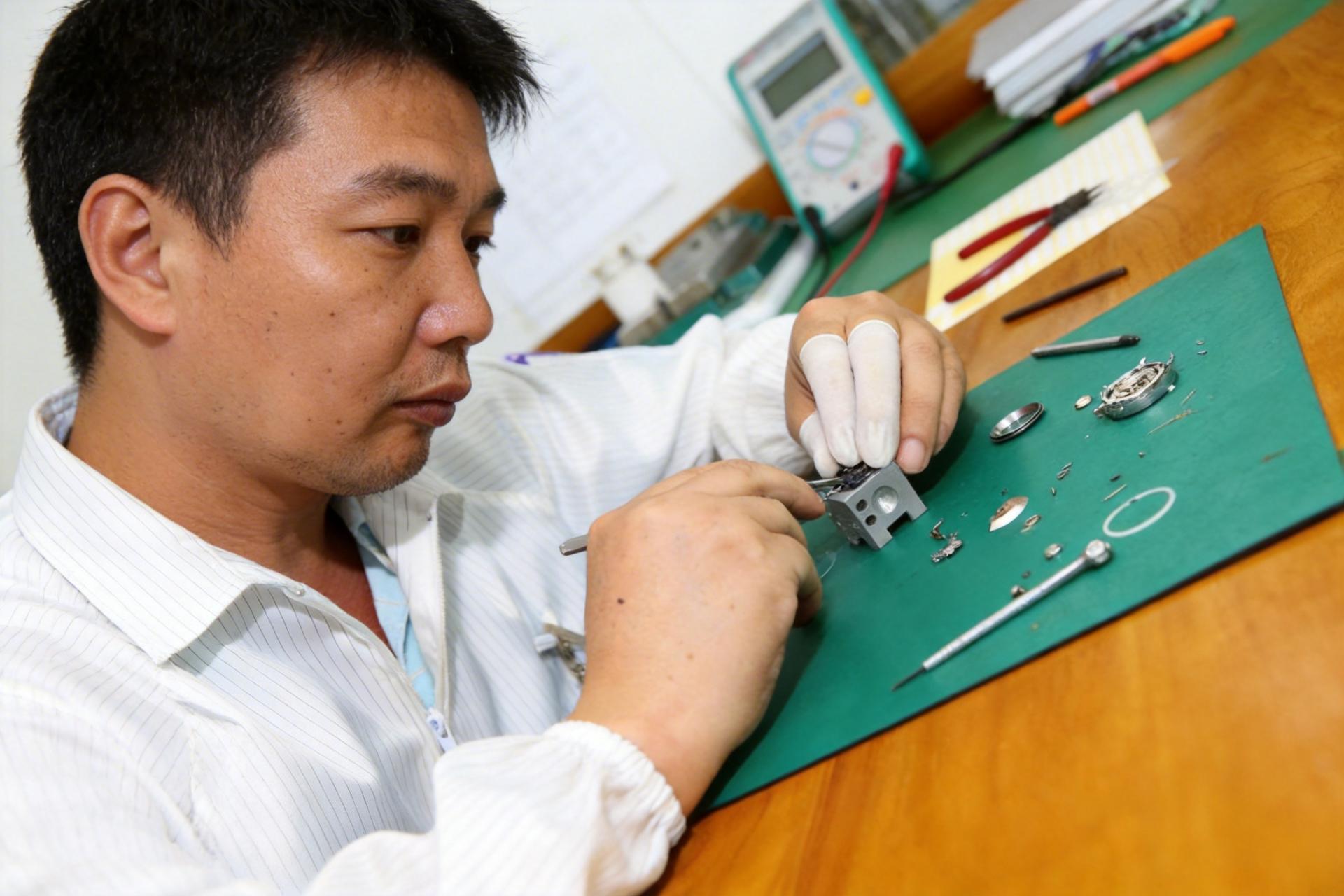
Ask any custom watch supplier for the test documentation behind these three items specifically. A legitimate quote can produce it, and a buyer comparing several wholesale watch suppliers at once should be asking all of them the same question before price becomes the deciding factor.
 |
 |
Signals a Price Is Too Low to Trust
A handful of patterns show up consistently around quotes that turn out to be a problem later, not just a good deal.
No sample offered before a bulk commitment is the clearest one — a supplier confident in their own production doesn't need to skip this step. A quote with no breakdown by component, just one bottom-line number, makes it hard to tell what you're actually paying for. Payment terms that push for a large upfront transfer outside a platform's trade protection, especially from a contact with no verifiable factory address, are a separate and more serious concern than pricing itself.
None of these alone is proof of a problem, but two or more together are worth slowing down for before placing a bulk order with any wholesale watch suppliers you haven't worked with before.
Where KODA Stands on This
KODA doesn't position itself as the lowest-priced option in this market, and we don't think that's the right goal for a wholesale buyer to optimize for either. What we do offer is a quote that breaks down by component on request, sample units before any bulk order, and documentation — plating thickness reports, movement specs, waterproof test results — for any line item a buyer wants to verify. Among high quality watch manufacturers working directly with private label clients, our starting assumption is that a buyer should be able to see where every dollar of a quote goes.
FAQ
Why do some factories quote 20–30% lower than others for what looks like the same spec?
Usually it comes down to the three structural factors above — no brand markup, shared tooling cost across multiple clients, and local component sourcing. None of those require cutting the product itself.
Should I always choose the lowest quote among several wholesale watch manufacturers?
Not without first requesting a component breakdown and a sample. The lowest number with no backup documentation is a different kind of lower than the lowest number with full testing records attached.
Is it reasonable to ask a supplier to justify their price?
Yes. A supplier that can't or won't break down a quote by component, movement grade, or testing standard is giving you less information than you need to compare offers fairly, no matter how many watch suppliers you have quoting the same order.
Does a lower price always mean a longer-term cost somewhere else?
Not always, but it's worth checking. A price that's low because of shared tooling or local sourcing carries no hidden cost. A price that's low because testing was skipped usually shows up later as a return rate problem.