
 Quartz Watch
 Mechanical Watch
 Digital Watch






Where Should You Actually Be Sourcing Wholesale Watches From?
| Channel | Typical Markup | Communication Accuracy | Best Fit Order Size | Main Risk |
|---|---|---|---|---|
| Direct Factory | None (baseline) | High -- direct to production staff | 200+ units, repeat orders | Requires buyer to already know specs |
| Trading Company / Agent | ~15-35% over factory price | Medium -- relayed through a third party | Under 100 units, mixed categories | Coordination convenience fades after first order |
| B2B Marketplace | Varies, price is a starting point | Low-Medium -- listing photos, unverified claims | First-pass supplier shortlisting | Signal quality varies widely by listing |
| Trade Show | N/A (relationship layer) | High in person, but one-time snapshot | Any size, as a supplement to another channel | Cost and access limit it as a standalone method |
Direct Factory Sourcing
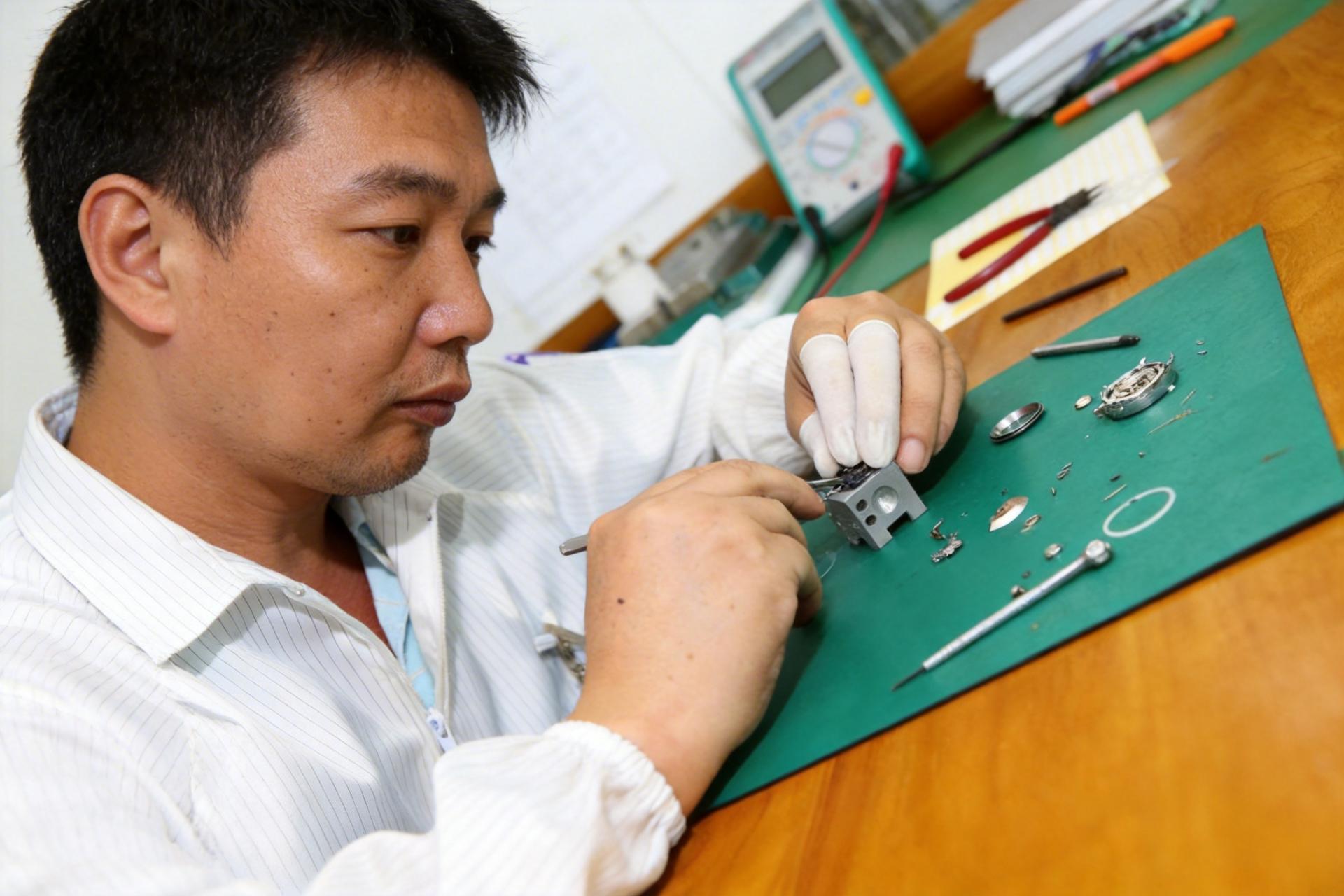
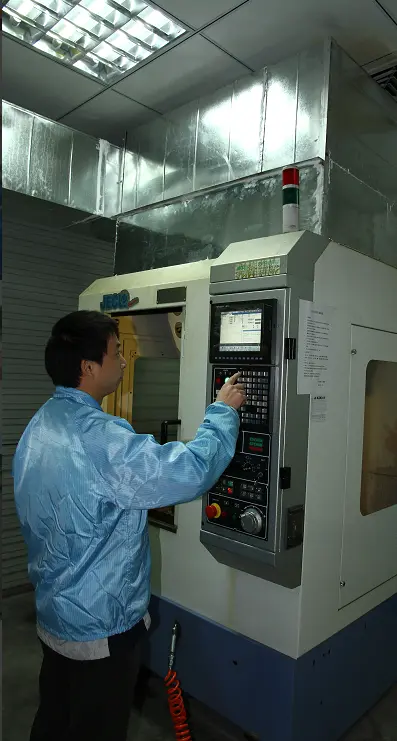
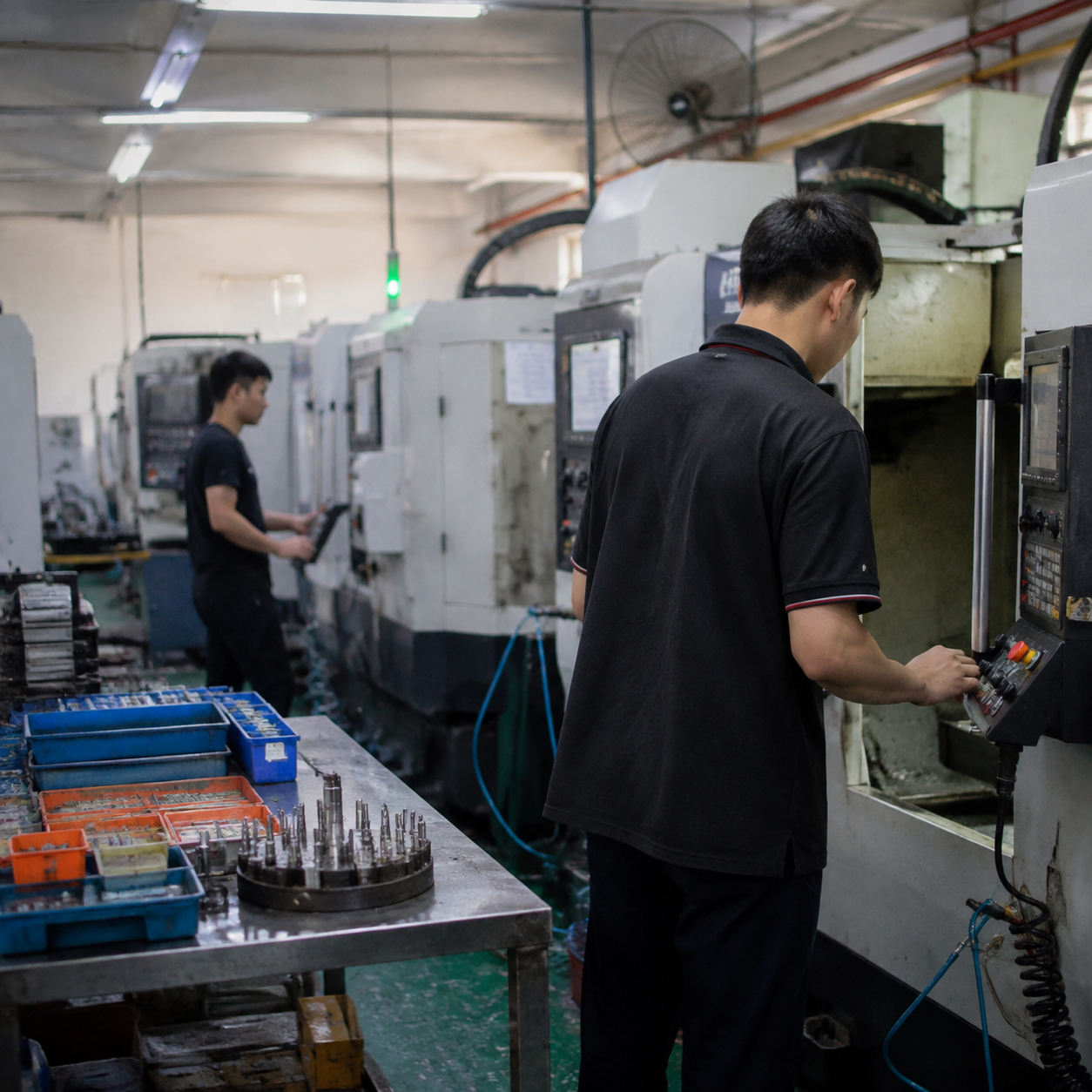
Buying straight from a manufacturer cuts out the markup that any intermediary adds -- typically somewhere between 15% and 35% depending on order volume, though the exact number varies enough by category that treating it as a fixed rule is a mistake. The bigger advantage is usually not price but accuracy: specs, revisions, and quality issues go directly to the people making the decisions on the factory floor, instead of being relayed through a third party who may not fully understand the technical detail being discussed.
The tradeoff is that direct sourcing asks more of the buyer. Factories are set up to serve buyers who already know roughly what they want -- case size, movement type, strap material -- rather than to walk a first-timer through every decision from zero. Language and time zone gaps are also handled directly, with no agent smoothing over a miscommunication before it becomes a costly sample revision.
Trading Companies and Sourcing Agents
A trading company sits between the buyer and one or more factories, and its main value is absorbing the coordination work a first-time or low-volume buyer doesn't want to take on -- vetting factories, managing sample rounds, consolidating shipments from multiple suppliers into one container. That convenience comes at a markup, and it also introduces a layer where information can get diluted: a spec change communicated to an agent does not always reach the factory floor with the same precision as when a buyer works directly with production staff.
Trading companies make the most sense for buyers ordering small, mixed batches across multiple product categories -- watches alongside other accessories, for instance -- where the administrative savings of one point of contact outweigh the markup. They make less sense for a buyer placing repeat orders of the same watch line, where the coordination overhead the agent is solving for mostly disappears after the first order anyway.

B2B Marketplaces
Alibaba and similar platforms are, in practice, a directory layered with review and transaction infrastructure -- most listings on them are either factories or trading companies who chose to sell through the platform rather than through their own website. The platform's real value is comparison speed: a buyer can pull up a dozen suppliers, compare stated MOQs and prices, and message several at once, which is difficult to replicate by cold-emailing individual factory websites.
The tradeoff is signal quality. Listed prices and MOQs are starting points for negotiation, not final terms, and photos on a listing page tell a buyer very little about a factory's actual QC discipline or communication reliability. Marketplace sourcing works best as a first-pass filter -- narrowing a field of suppliers down to a shortlist -- rather than as the final step before placing a production order.

Trade Shows
In-person trade shows (Hong Kong Watch & Clock Fair and similar regional events) remain relevant for one specific reason: they let a buyer physically handle sample quality and read a supplier's responsiveness in real time, which no amount of messaging back and forth fully replicates. A factory that seems evasive about a technical question in person is a much clearer signal than the same evasiveness read into a slow email reply.
The obvious limitation is cost and access -- travel, time, and the fact that not every relevant supplier attends every show. Trade shows tend to work best as a relationship-building layer on top of a channel a buyer is already using, rather than as a standalone sourcing method for a first order.

Which Channel Actually Fits Your Order
A rough rule that holds up across most of the inquiries we see: buyers ordering under 100 units, testing a new category for the first time, or splitting a small order across several product types tend to be better served by a trading company or a marketplace shortlist. Buyers who already know their specs, are ordering 200+ units, or are placing repeat orders on an established line get more value from going direct -- the coordination savings an agent offers stop mattering once a buyer has already been through one full production cycle and knows what to ask for.
Where KODA Fits
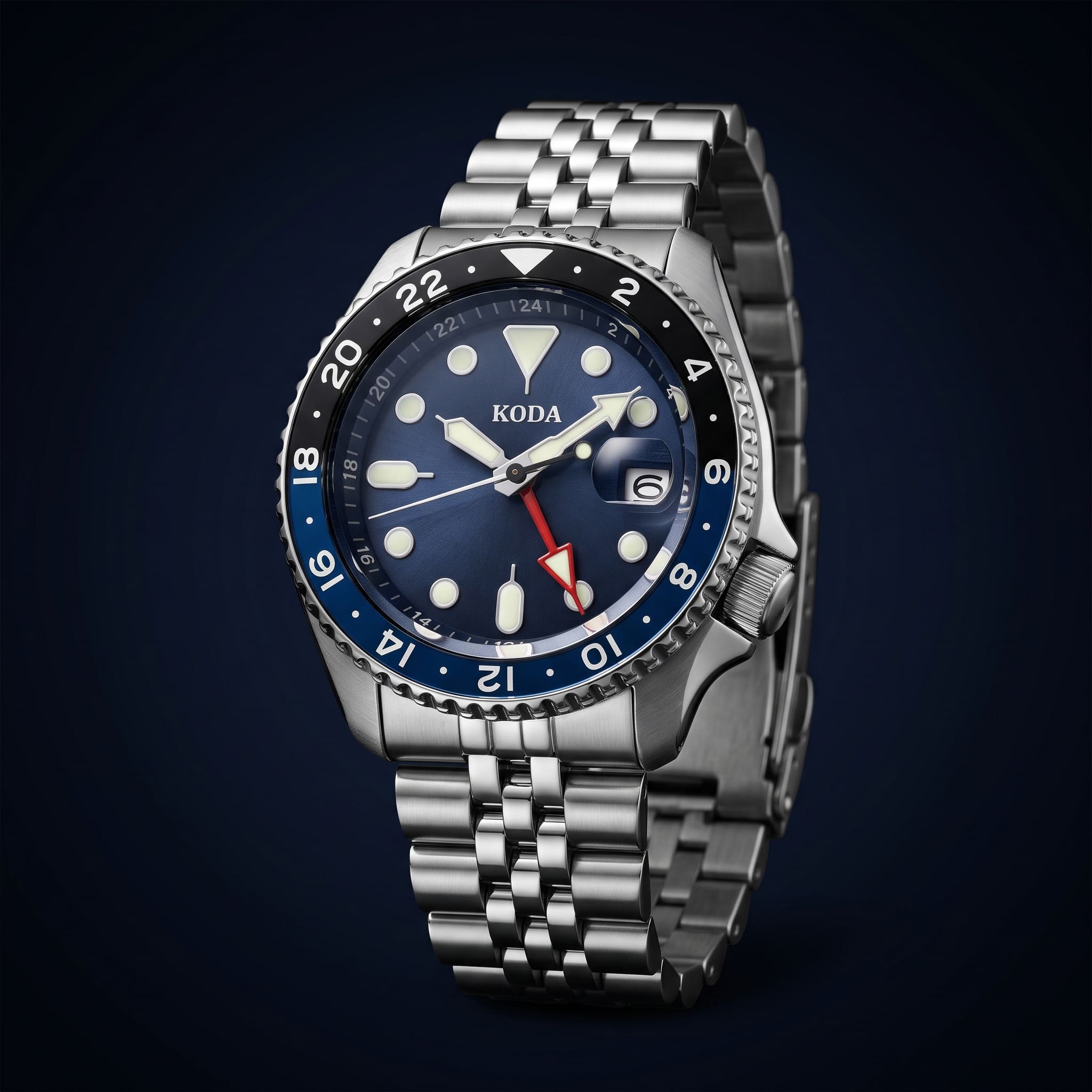
We sell direct, which means the tradeoffs above apply to working with us specifically -- buyers get direct access to production staff and no added markup, but we're set up for buyers who have at least a rough spec in mind rather than a completely blank slate. For brands still deciding what they want, working through a marketplace shortlist or a trading company first, then coming to a factory once specs are firmer, is often the more efficient order of operations -- not a workaround, just a reasonable way to sequence a first order.
Get a Free Quote to talk through your specs directly with our production team.