
 Quartz Watch
 Mechanical Watch
 Digital Watch

Products News


0102030405
Watch Plating Process Explained: What Buyers Should Know Before Ordering
2026-08-11
What PVD Plating Actually Is
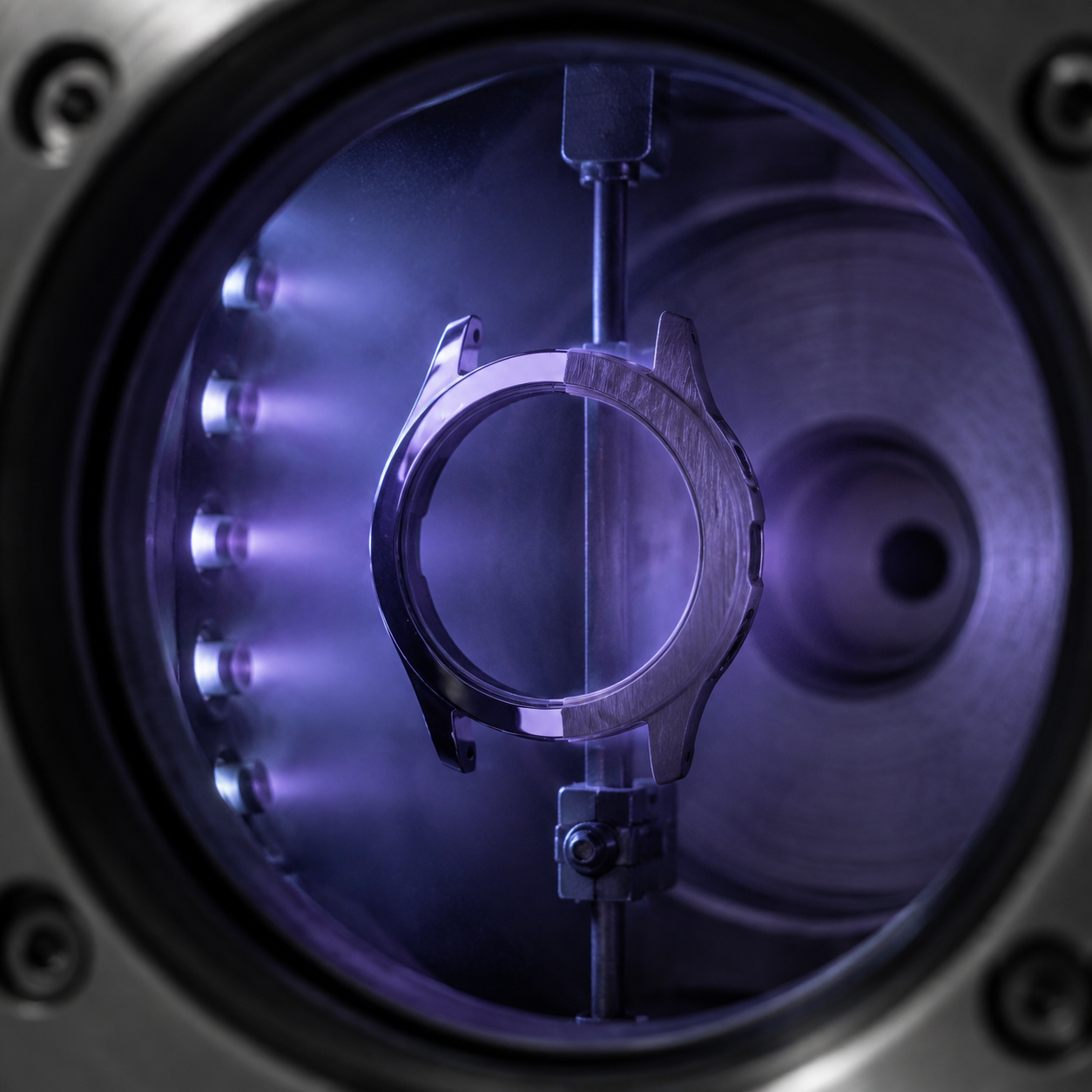
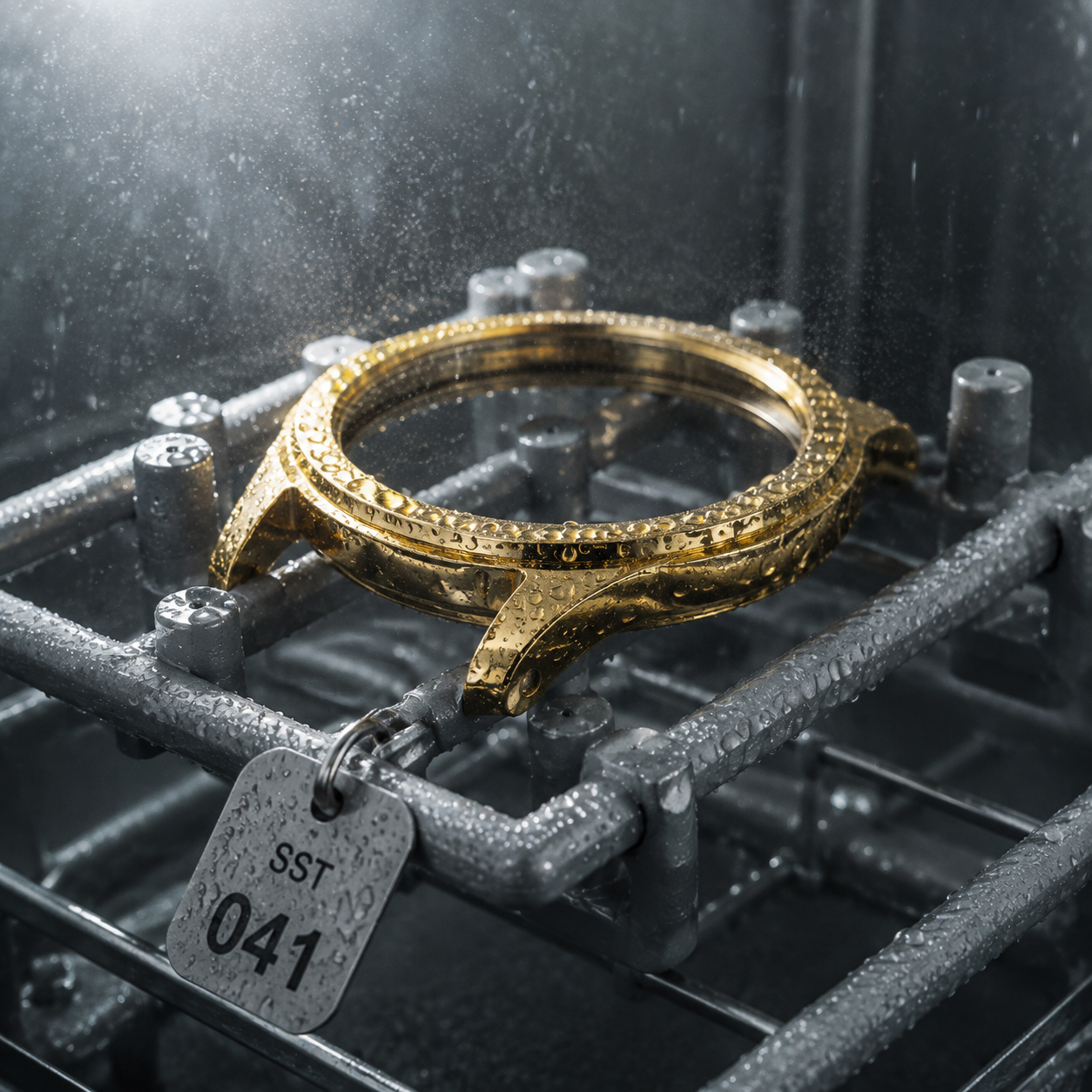
Most mid-to-high volume wholesale watches use PVD (Physical Vapor Deposition), not traditional electroplating. In a vacuum chamber, a solid metal source -- titanium, chromium, or a titanium-based compound depending on the target color -- is vaporized and bonded to the case surface at the atomic level. This is different from electroplating, which deposits metal through a chemical bath and tends to produce a softer, thinner layer. PVD coatings run roughly 0.2 to 0.5 microns for standard wholesale orders, and can go up to 1-2 microns for buyers willing to pay more for scratch resistance. For context, a human hair is about 70 microns thick -- the entire coating that determines whether a watch still looks new after a year of daily wear is a fraction of that.
Surface Prep Happens Before Color, Not After
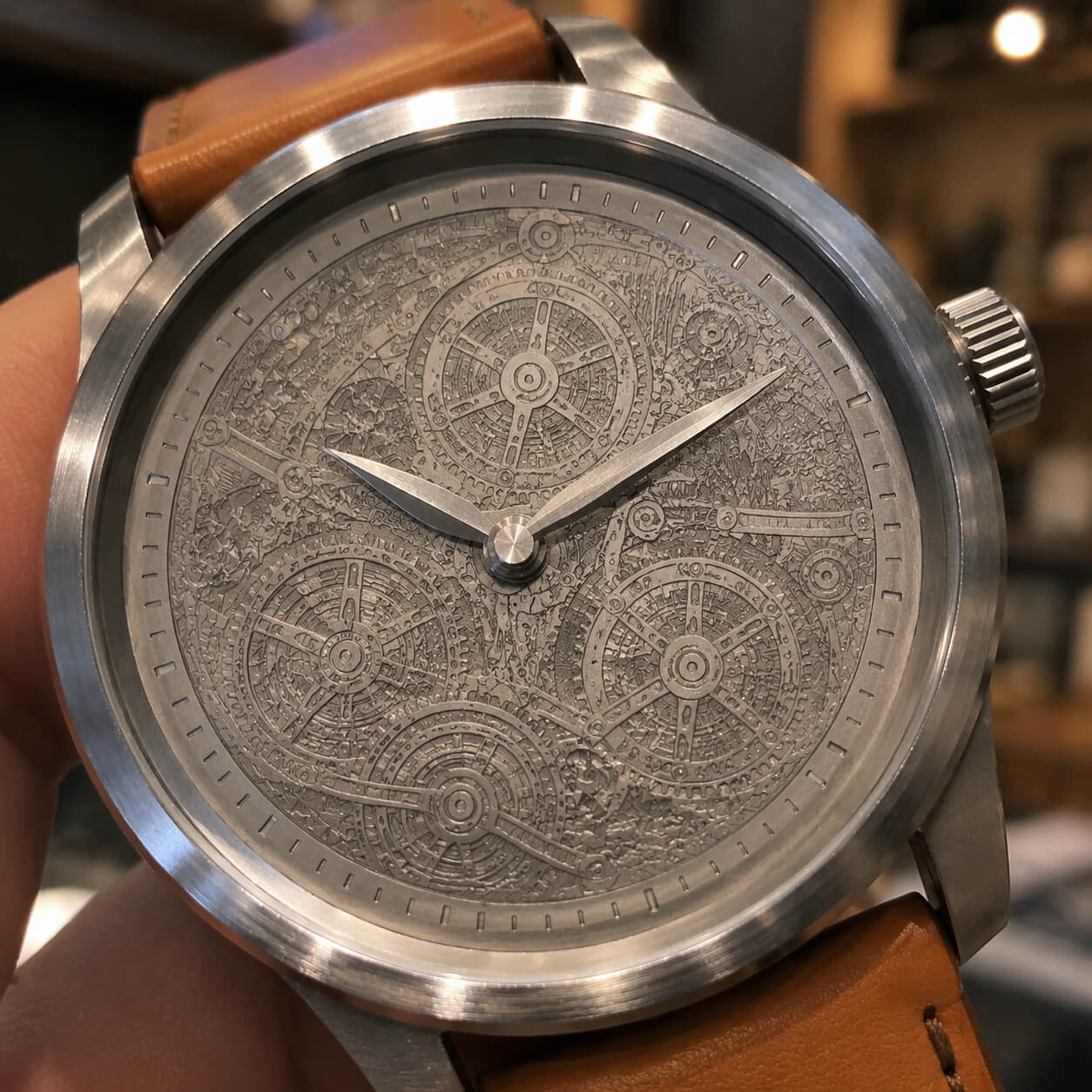
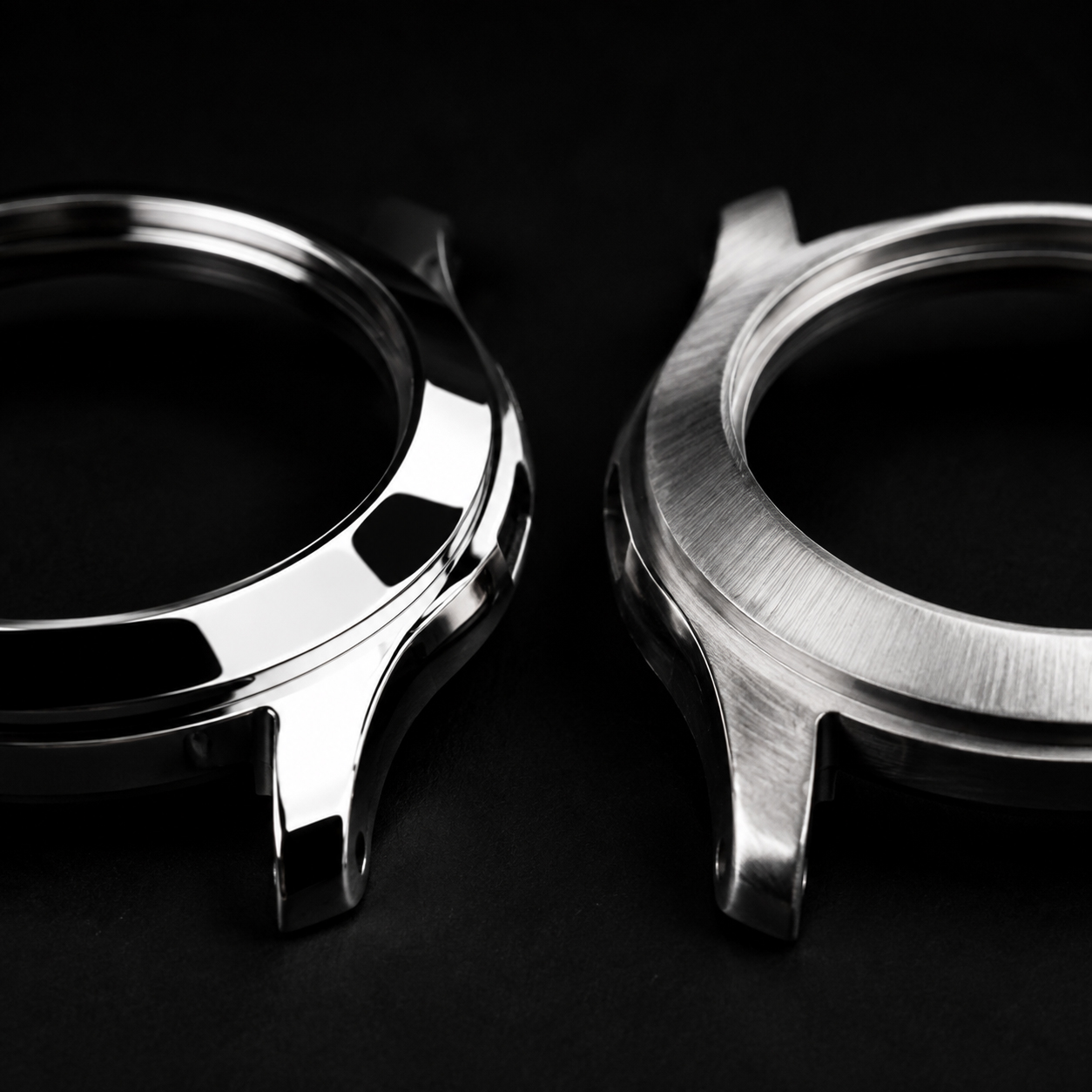
The finish buyers actually see -- mirror polish, brushed (satin), or sandblasted -- is set on the bare case before any plating touches it, not applied afterward as a separate step. PVD coating follows the contour of whatever surface it is given; it does not smooth out scratches or add shine on its own. A case that was polished to a mirror finish before plating comes out mirrored in gold or black. A case that was left with light tooling marks comes out with those same marks visible under the color. This is the most common source of buyer disappointment on first samples: the finish request was about color, but the actual issue was surface prep upstream of it.
Why Some Colors Cost More Than Others
Black and gunmetal PVD are the least expensive colors to run because they use a straightforward titanium nitride or chromium-based target and a shorter chamber cycle. IP gold and rose gold require tighter control over chamber temperature and exposure time to hit a consistent hue batch to batch -- too short a cycle and the gold reads pale or brassy, too long and it shifts toward orange. This is also why rose gold is the color most likely to show visible variation between a sample and a production run if the factory does not lock the process parameters after sample approval, not just the recipe.
How to Tell If a Coating Will Actually Hold Up
The industry-standard way to test this before committing to a production run is a neutral salt spray test, where a sample sits in a controlled salt-fog chamber and gets rated by how many hours pass before visible corrosion or coating failure appears. A 24-hour result is low-end and typically signals a thin or rushed coating; 48 hours is a reasonable baseline for everyday wholesale watches; 72 hours and above is where buyers start to see meaningfully fewer warranty returns tied to plating. Ask for the salt spray test result as a number, not as a yes-or-no confirmation that testing was done -- "we tested it" and "it passed 72 hours" are not the same claim.
The Adhesion Problem Nobody Mentions Until It Happens
Peeling or flaking plating is almost never a plating machine problem -- it is an adhesion problem traced back to the cleaning step before coating, where residual polishing compound or oil on the case surface stops the coating from bonding properly. This is invisible at the time of shipment and only shows up weeks or months later, usually starting at high-contact points like the case edge or crown, which is exactly where a buyer's end customer will notice it first. A cross-hatch adhesion test (cutting a small grid into the coating and checking whether it lifts with tape) is a fast way to catch this before a full order ships, and it is reasonable to ask a supplier to run one on a pre-production sample.
Specifying Finish Requirements Without Guessing
Vague requests like "gold, but not too yellow" produce inconsistent results because there is no shared reference point between buyer and factory. The more reliable approach is to request physical finish swatches from the factory's existing color range and choose against those directly, rather than describing a color from memory or a screen, since monitor colors do not translate reliably to metal finishes. For repeat orders, keeping an approved physical sample on file as the standing reference -- not a photo of it -- avoids the slow color drift that happens when each new batch is approved against the memory of the last one instead of the object itself.
Get a Free Quote to send us your target finish and get sample-stage feedback before committing to a production run.
FAQ
Is PVD coating the same as gold plating?
No. Traditional gold electroplating deposits actual gold or gold alloy through a chemical bath and is rarely used on wholesale watches today because of cost and durability limits. IP gold and PVD gold use vapor deposition to bond a gold-colored compound (not necessarily containing real gold) that is significantly more scratch and tarnish resistant for a comparable or lower cost.
How long should a PVD coating last under normal wear?
A properly applied 0.2-0.5 micron PVD coating on a wholesale-grade watch should hold color and resist visible wear for one to two years of regular daily use. Heavier coatings in the 1-2 micron range extend that further but add cost and are usually reserved for higher-tier product lines.
Can I request a custom color that is not in the factory's standard range?
Yes, but it usually requires a minimum batch quantity to justify the chamber setup and process calibration for a one-off color, and buyers should expect a longer sample lead time than choosing from an existing finish.
Does a shinier finish mean better quality?
Not necessarily. Mirror polish shows fingerprints and micro-scratches more readily than a brushed finish, which is a styling tradeoff, not a durability one. Coating thickness and adhesion quality, not surface shine, are what actually determine how long a finish holds up.