
 Quartz Watch
 Mechanical Watch
 Digital Watch

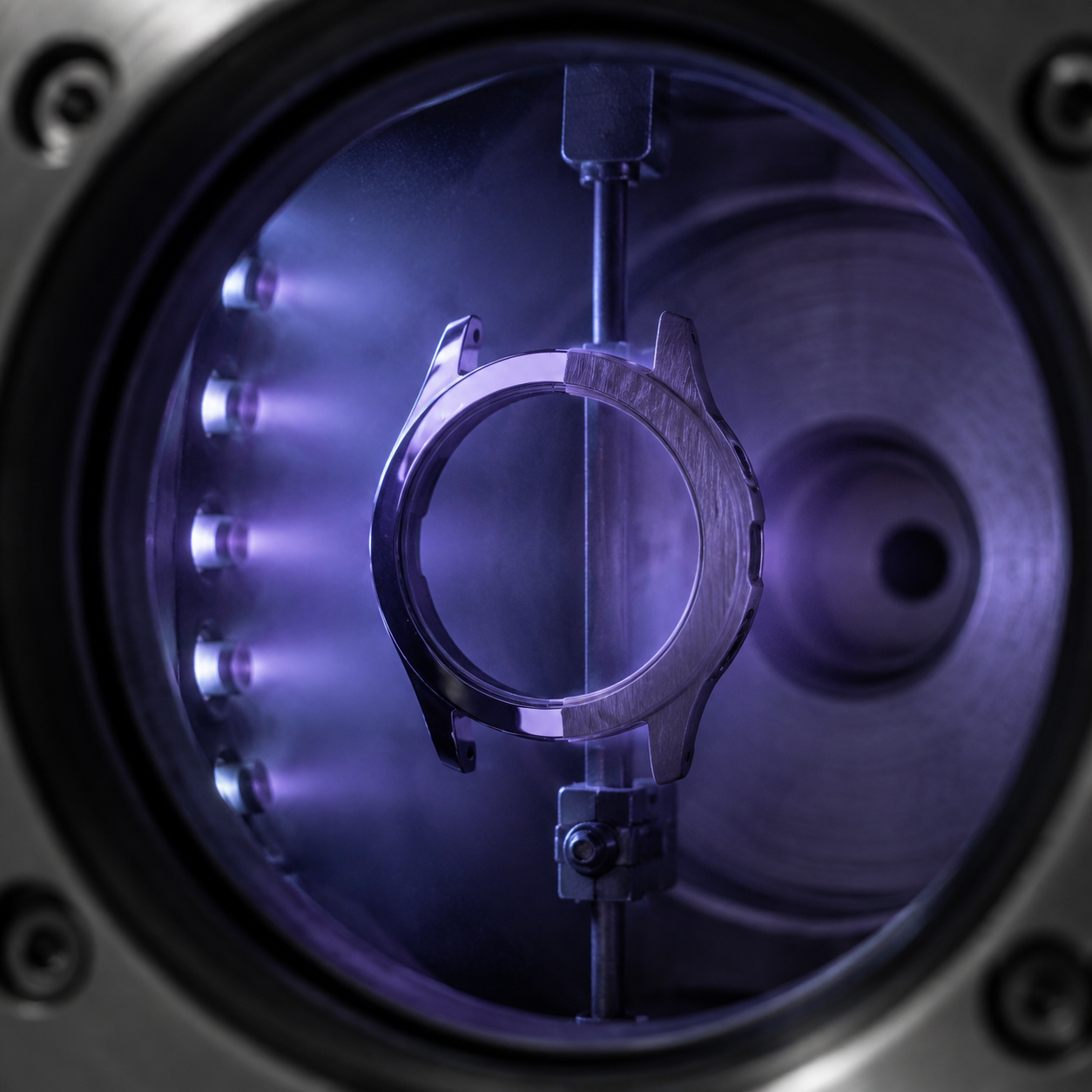
Sampling vs Mold Development: What Actually Triggers Each One
Buyers often use “sample” and “mold” interchangeably in early inquiries — asking for “a sample” when what they actually need first is a new mold, or budgeting for a full mold fee when a standard sample would do. This mismatch shows up in nearly every custom inquiry we get, and it's worth separating clearly before a quote request goes back and forth more than it needs to. The short version: sampling confirms whether a build matches your spec. Mold development creates a case shape that doesn't exist yet. One is a verification step, the other is a tooling investment, and mixing them up usually means at least one extra round of clarification before the real numbers show up.
What Triggers a Sample — No Mold Needed
Most sample requests don't touch tooling at all. Three situations cover the majority of what we see:
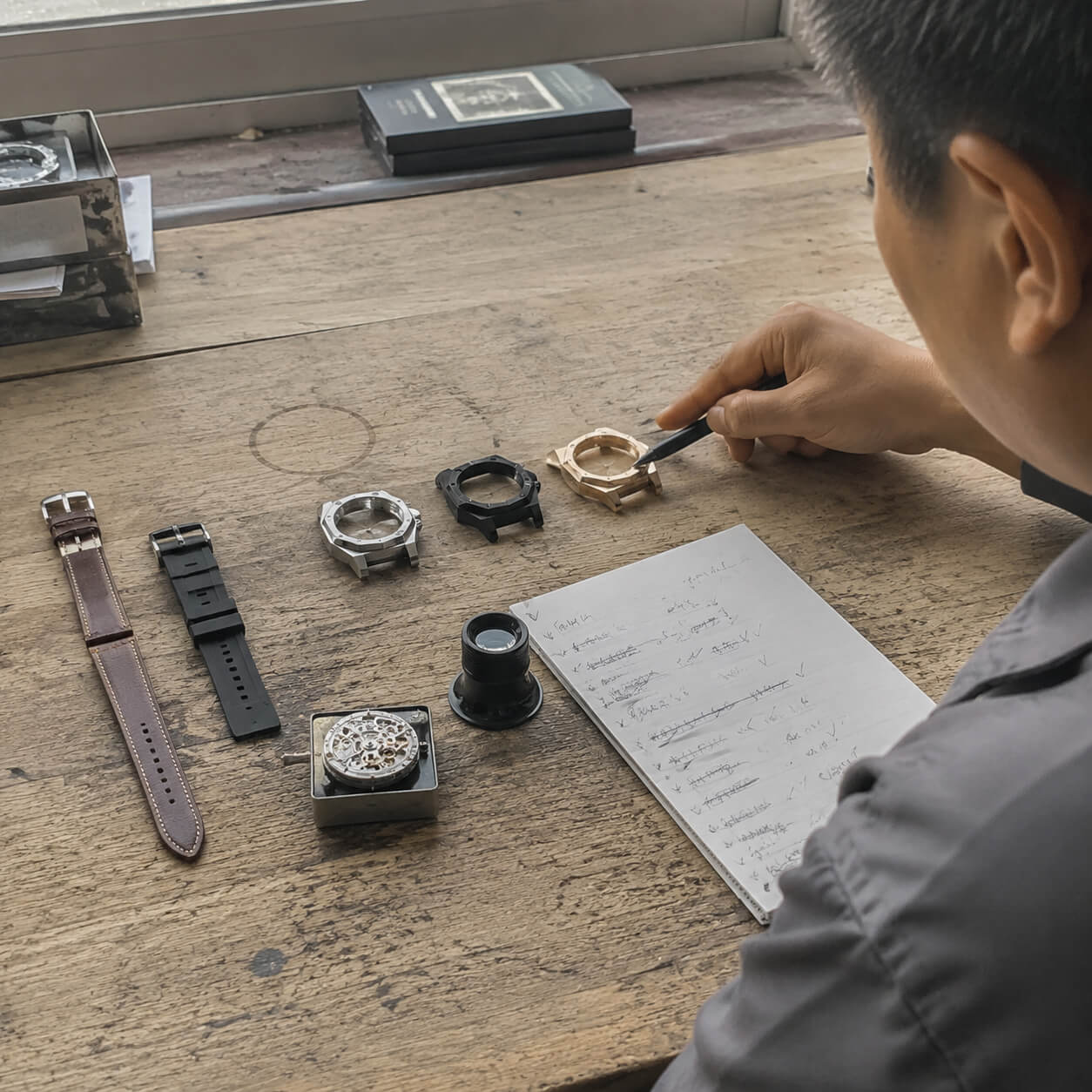
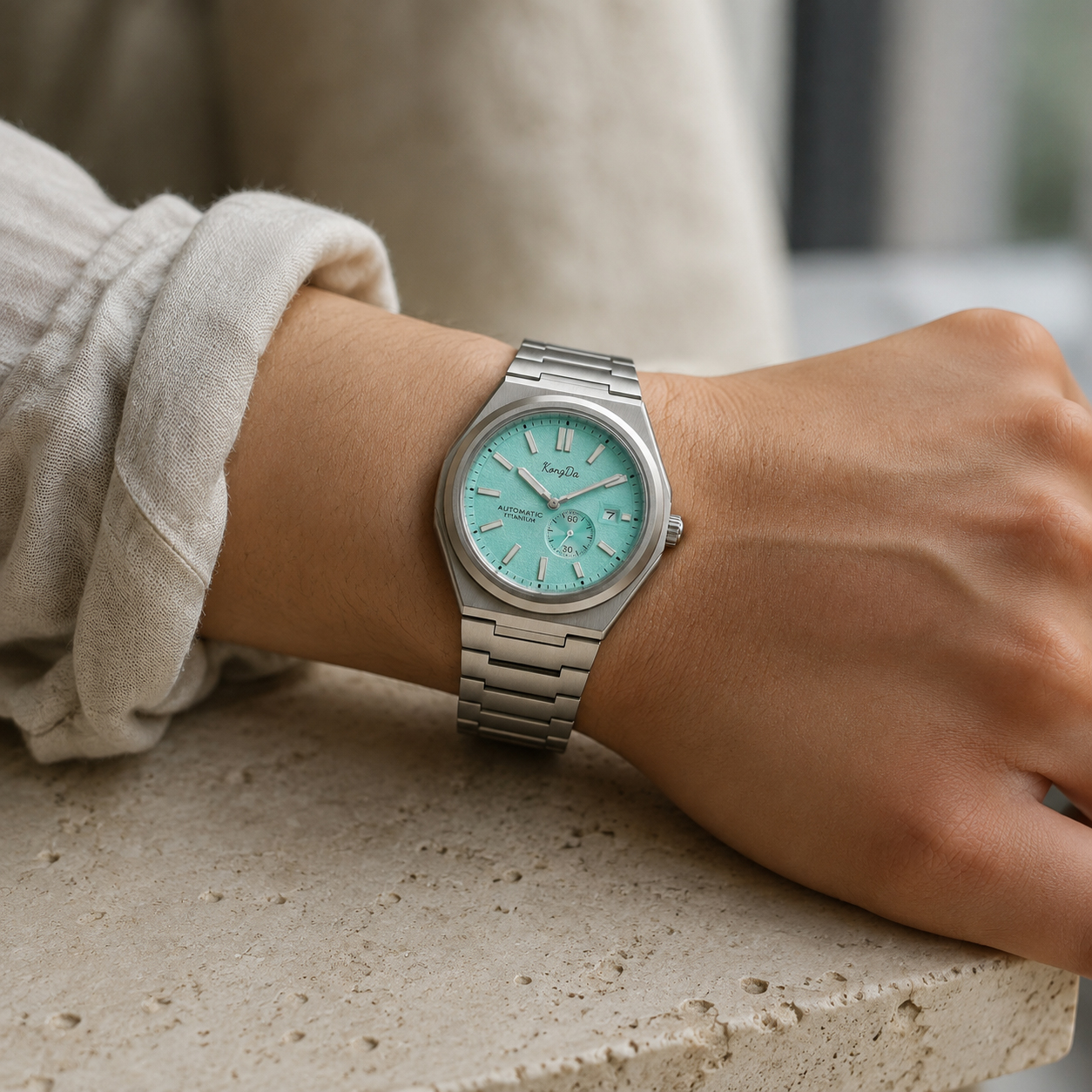
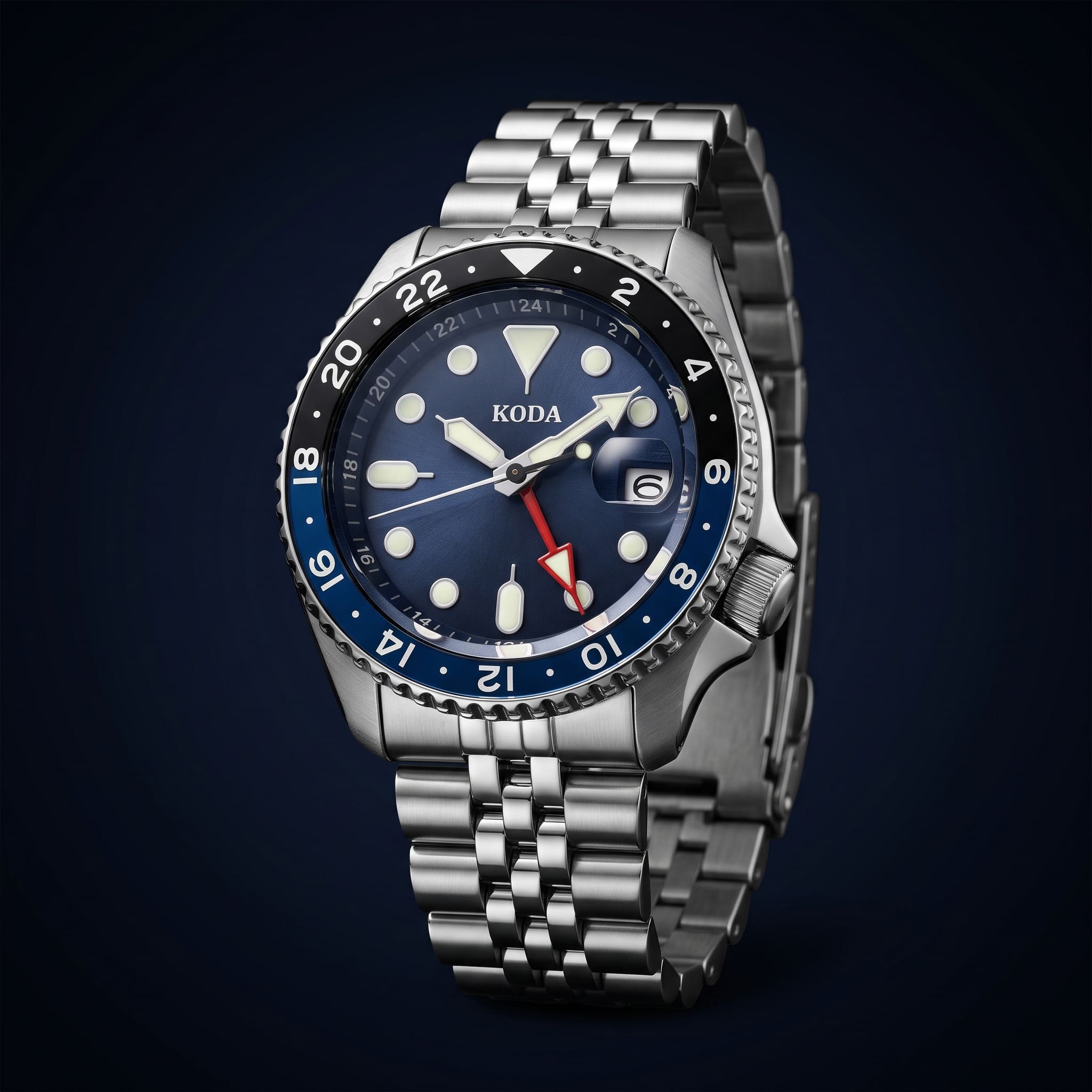
Custom logo, color, or strap on an existing case: if the case shape is already in our production line, changing the logo, dial color, or strap material is a finishing and assembly change, not a shape change. A sample here confirms the color match and logo placement look right before a full batch runs.
A first-time buyer wants proof of quality before committing: this has nothing to do with design changes. A new buyer asking for a sample of a fully standard product is verifying build quality and reliability, not requesting anything custom.
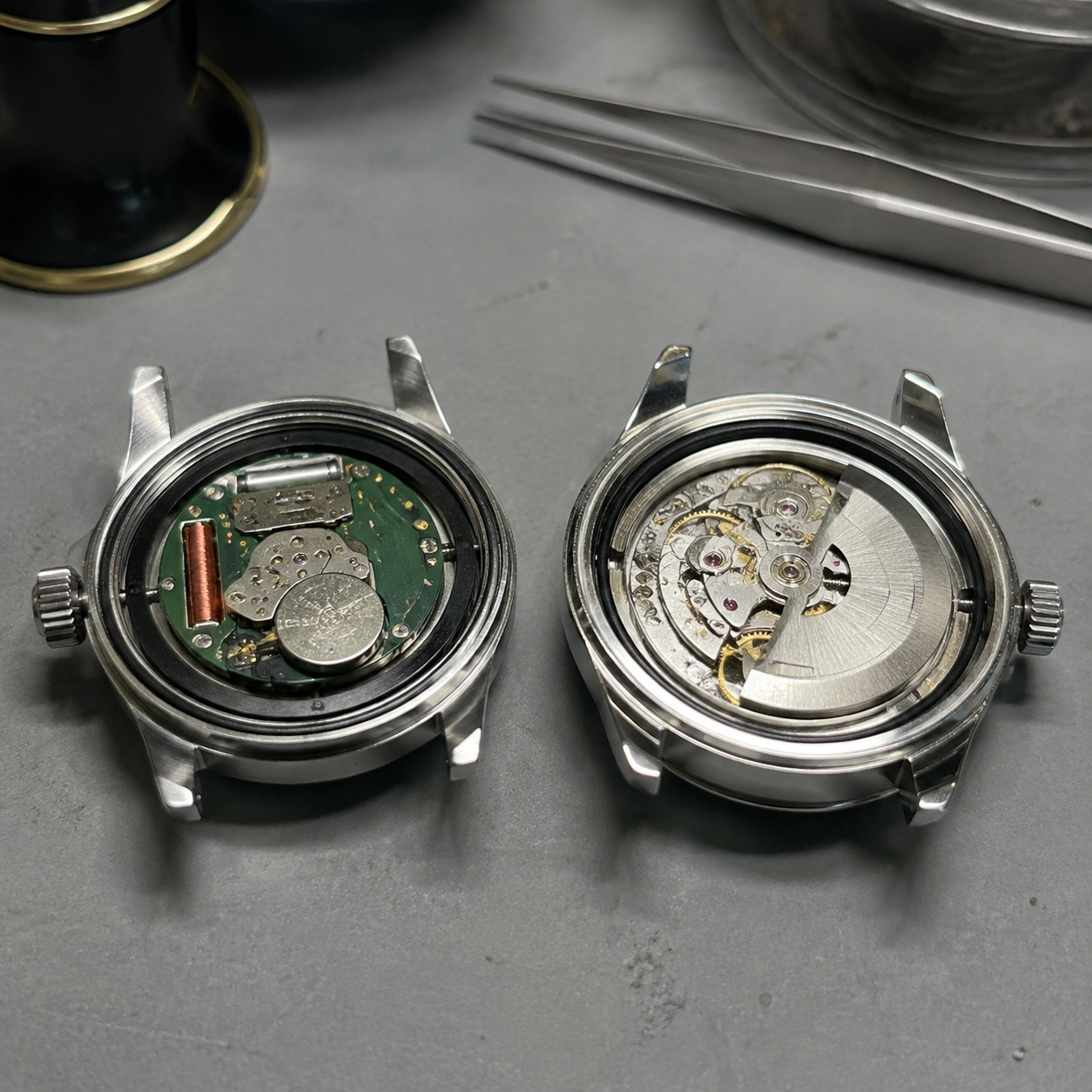
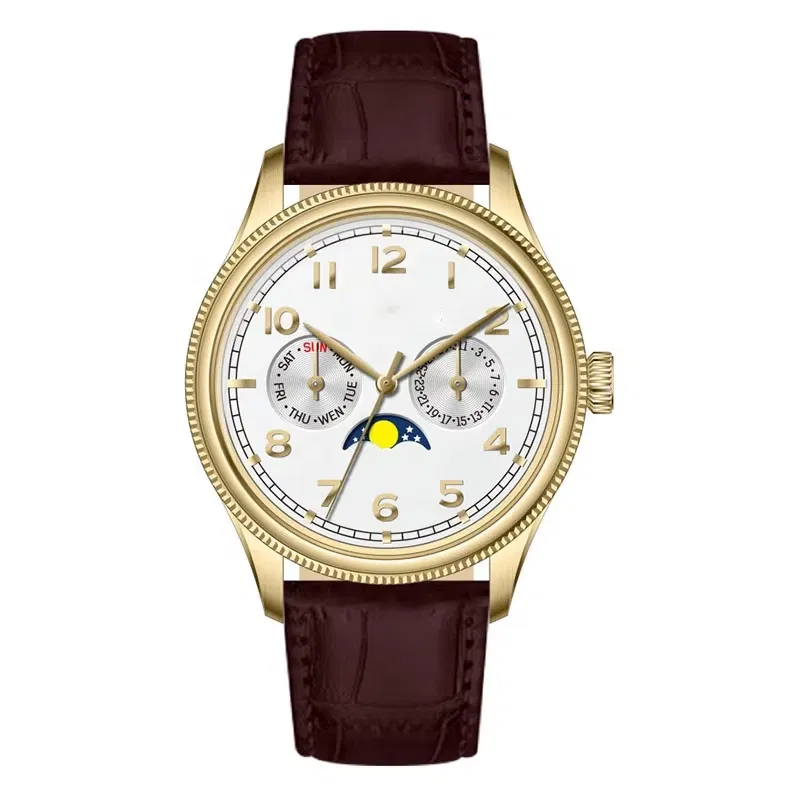
A new movement or added complication inside an existing case: adding a moonphase module or a different movement caliber to a case that already exists in our tooling is an assembly and calibration question, not a mold question, as long as the case dimensions don't need to change to fit the new components.
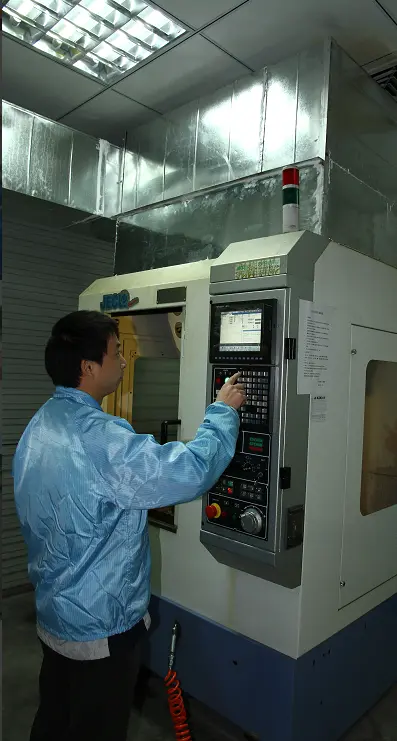
What Triggers a New Mold
A new mold is only required when the physical case geometry doesn't exist in our tooling library yet — a shape, proportion, or structural detail that's genuinely new, not a variation on something we already produce. A recent inquiry we received asked about a ring-form miniature watch with an asymmetric, fluid case shape — nothing close to that exists in standard watch tooling, so the first cost line in that quote wasn't a sample fee, it was a mold fee, with the sample coming afterward once the mold itself was built and approved.
This is the distinction buyers most often miss: the mold fee is a one-time tooling cost, separate from the per-unit sample cost that follows it. Skipping past this in an inquiry is how a buyer ends up expecting a $200 sample quote and receiving one with a four-figure mold line item attached.
Cost and Lead Time at a Glance
Quick reference before the detail below:
|
Scenario |
Mold Required |
Typical Lead Time |
Main Cost Driver |
|
Logo/color/strap change on existing case |
No |
3-5 days |
Sample unit cost only |
|
First-time buyer verification sample |
No |
Ships from stock, 1-3 days |
Sample unit cost (sometimes refundable against a future order) |
|
New movement/complication, same case |
No |
7-10 days |
Assembly and calibration time |
|
New case shape or geometry |
Yes |
20-30 days (mold plus first sample) |
One-time mold fee, plus sample cost |
A Real Buyer Question, Broken Down
The ring-form watch inquiry mentioned above is a useful example because it packed several questions into one message: past case studies of similar projects, mold fee plus sample fee and the timeline for each, unit pricing at 300 pieces, production lead time after sample approval, and shipping cost and method to the buyer's country. Every one of those is a fair question, but the answer to the first two depends entirely on whether the shape is genuinely new — which it was, in this case, so the quote had to open with mold cost and mold lead time before anything about the 300-piece production run could be estimated. Buyers researching multiple factories at once sometimes get quotes back that look wildly different in structure, not just price, because one factory is quoting a standard sample and another is quoting mold development for the same request, without either of them knowing whether the requested shape needs it.
Where Buyers Get This Wrong
The more common mistake is assuming customization always means a mold — which leads some buyers to avoid requesting a logo or color change they assume will be expensive and slow, when it's actually a same-week sample with no tooling cost attached. The opposite mistake, less common but more costly when it happens, is assuming a quoted “sample fee” already covers a new case shape, and being surprised by a separate mold line item later in the process. Both mistakes come from the same root cause: not asking directly, early in the inquiry, whether the requested shape already exists in the factory's tooling.
How KODA Handles This
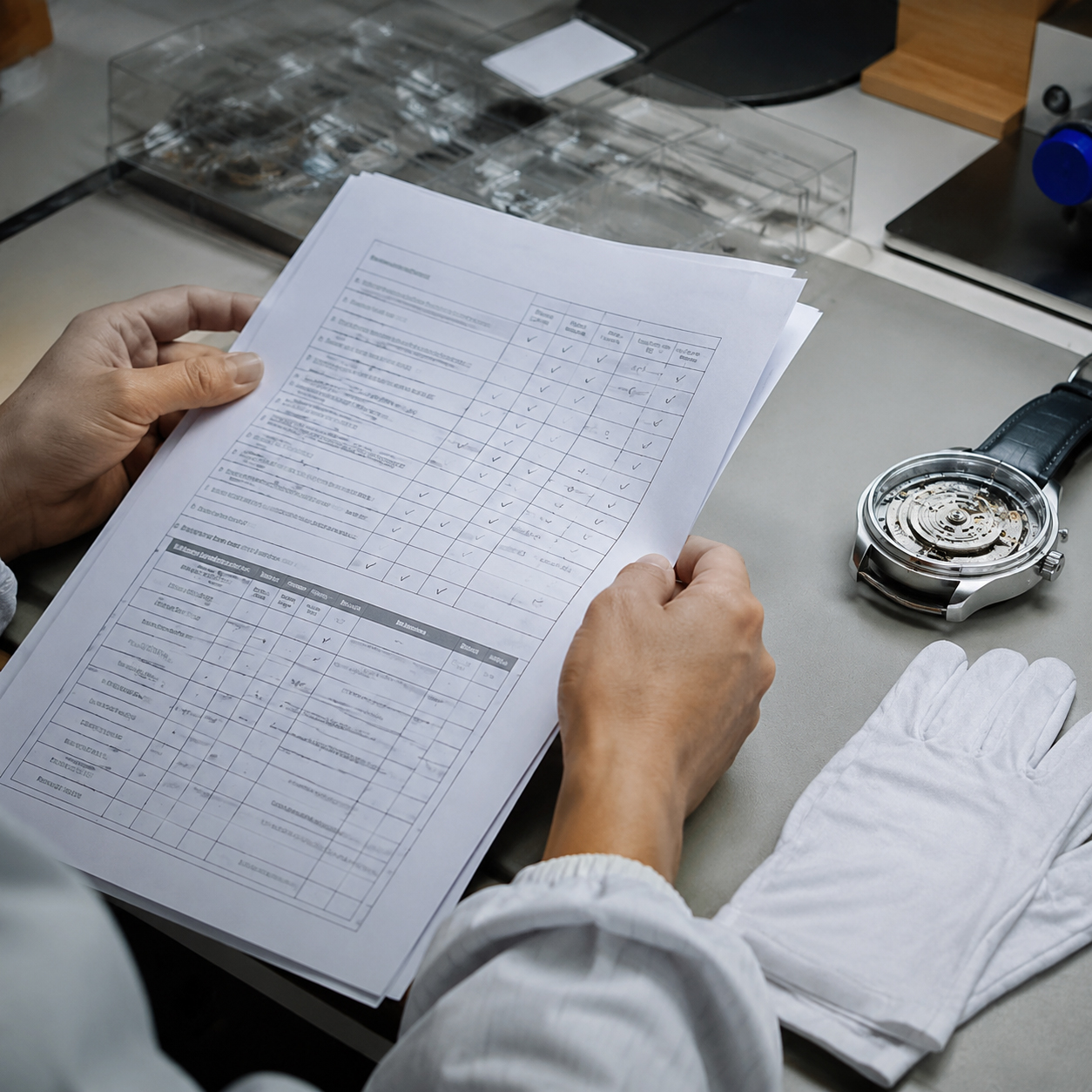
Spec review happens before quoting, not after — we check whether the requested case shape matches an existing mold before giving a sample timeline or cost. If it does, the quote is a straightforward sample cost and short lead time. If it doesn't, the quote separates the one-time mold fee from the sample fee as two distinct line items, so a buyer can see clearly which part is tooling investment and which part is the per-unit cost that continues into production.
————————————————————————————————————————
FAQ
If my design changes color or logo but keeps the same case shape, do I still pay a mold fee?
No. Color and logo changes are finishing and printing steps, not shape changes, so they run on existing tooling with no mold fee attached.
Is the mold fee a one-time cost, or does it repeat on every reorder?
One-time. Once a mold is built and approved, reorders of the same shape use the existing tooling — the mold fee doesn't recur unless the shape itself changes again.
How long does mold development typically take before the first sample is ready?
For most standard case geometries, 20 to 30 days covers mold construction and the first physical sample. More complex or highly asymmetric shapes, like the ring-form example above, can run longer depending on how much iteration the shape needs before it's approved.
Can I test a modified version of an existing case without opening a new mold?
Sometimes. Small dimensional tweaks to an existing shape may be possible without a full new mold, but this depends on how much the change affects the case structure — it's worth asking directly during spec review rather than assuming either way.