
 Quartz Watch
 Mechanical Watch
 Digital Watch

Quartz vs Mechanical: What Wholesale Buyers Should Actually Compare
What You Are Actually Buying With Quartz
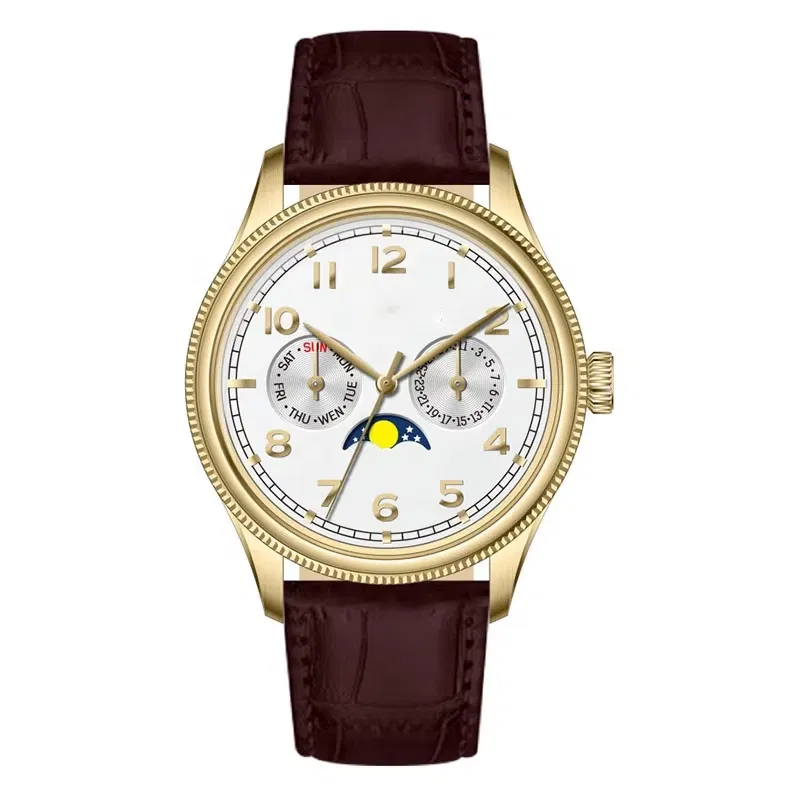
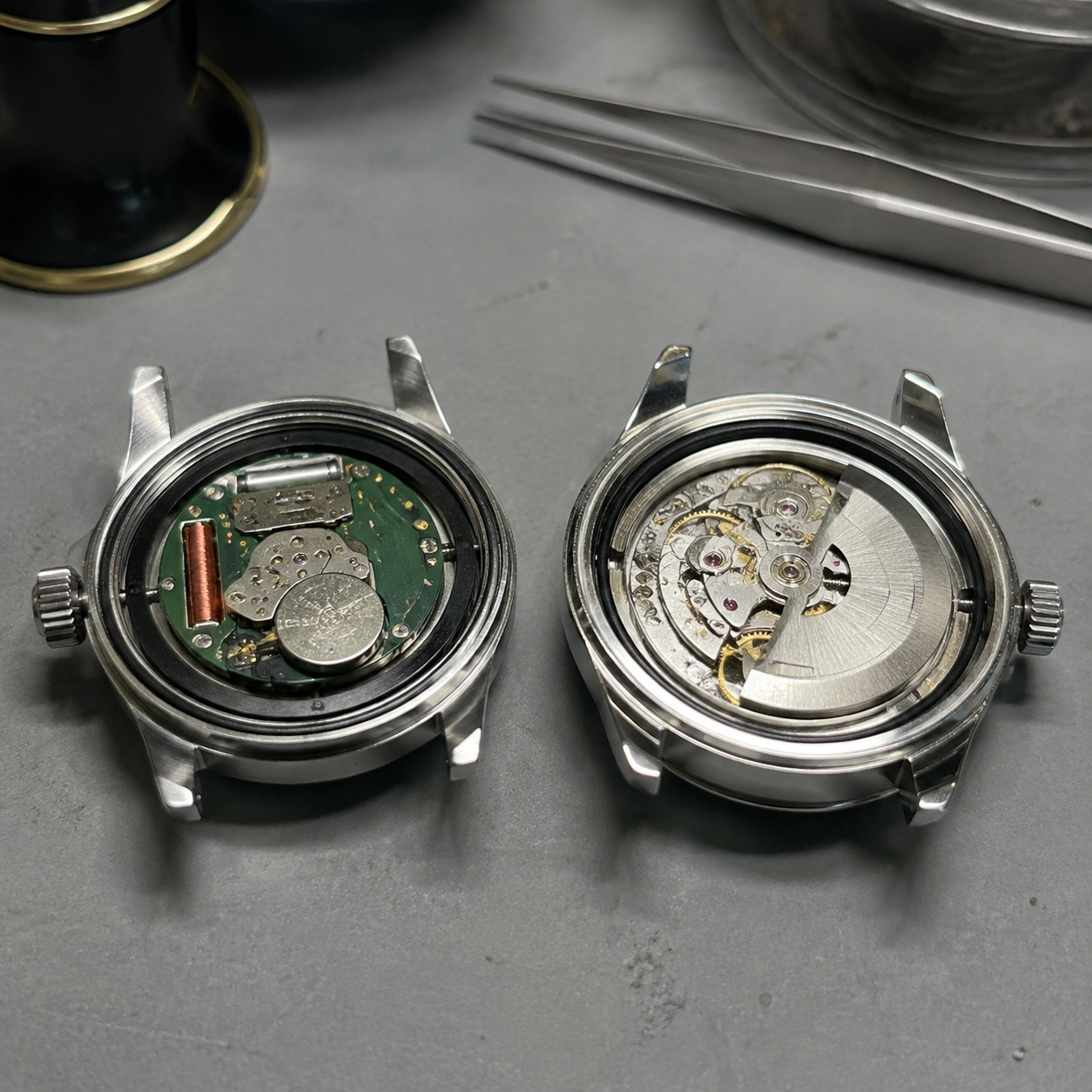
A quartz movement runs on a battery and a vibrating crystal instead of a mainspring, and the practical numbers are worth knowing before you assume this is the budget option by default. A basic quartz caliber such as the Miyota 2035 typically costs $2 to $4 per unit at OEM volumes, keeps time to within about 15 to 20 seconds a month, and runs for roughly two years before the battery needs replacing. There is no winding, no positional accuracy variance, and close to zero after-sales service calls tied to the movement itself. That reliability is precisely why quartz watch manufacturers dominate fashion, promotional, and fast-turnaround retail segments — the movement is invisible to the end customer in the best possible way. It is not a downgrade; it is a different job.
What You Are Actually Buying With Mechanical
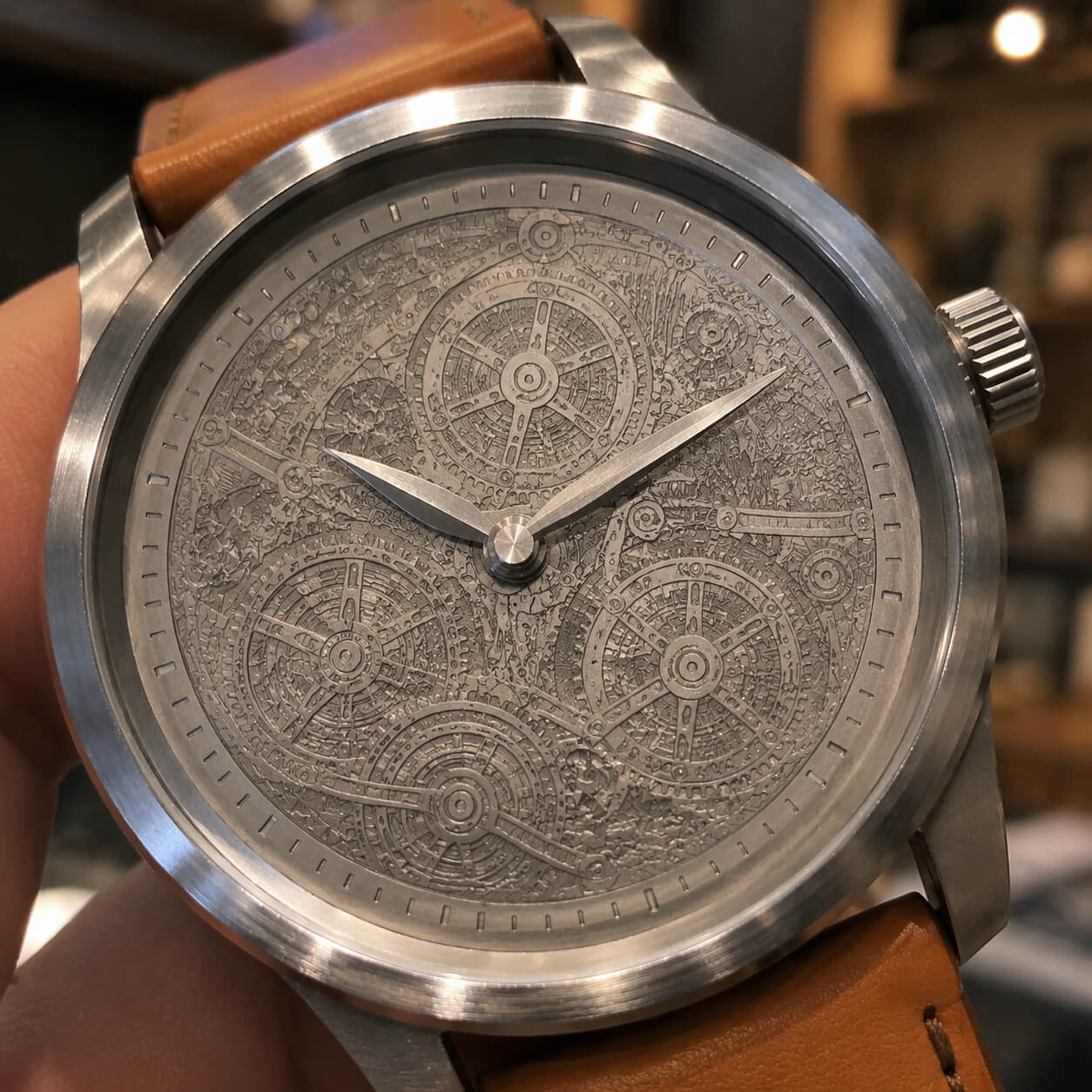
An automatic movement has no battery at all — a rotor inside the case winds the mainspring from the wearer's own arm motion, and that mechanical complexity is what buyers are really paying for, not superior accuracy. A Miyota 8215 automatic runs $8 to $12 per unit, a step-up caliber like the 9015 sits at $18 to $25, and a genuine Swiss automatic from the ETA/Sellita family starts around $90 and climbs well past $180 depending on grade. Swiss movement manufacturers price by grade — standard, elabore, top — largely independent of case cost, which catches first-time buyers off guard when two visually similar watches quote thousands of dollars apart per hundred units. Daily accuracy on a mechanical caliber is typically 10 to 20 seconds — worse than quartz, not better — and the watch will stop entirely if it sits unworn for more than roughly 40 hours. What buyers are actually purchasing is the visible rotor through an exhibition case back, the story of moving parts, and a price ceiling that a battery-powered movement cannot reach. Automatic watch manufacturers and mechanical watch manufacturers compete on craft perception, not on precision.
Side by Side: The Numbers That Matter
| Factor | Quartz | Automatic (Mechanical) |
| Unit cost (OEM) | $2 - $4 | $8 - $25 (Miyota) / $90+ (Swiss) |
| Accuracy | ±15-20 sec/month | ±10-20 sec/day |
| Power source | Battery, ~2 years | Wearer's wrist motion |
| Typical lead time | 15-20 days | 25-35 days |
| Best-fit retail band | Under $80 | $150+ |
The Positioning Mistake Buyers Make Most Often
The most common error is not choosing the wrong movement — it is pairing the right movement with the wrong case and finish. A $90 ETA automatic dropped into a thin zinc alloy case with a printed dial photographs fine online and disappoints the moment it arrives, because the weight and case finishing do not match what an exhibition case back promises. The reverse mistake happens just as often: a brand sources a genuine Miyota 9015 build with brushed 316L steel and a sapphire crystal, then prices it like a $15 fashion quartz piece because the founder still associates automatic movements with unaffordable cost. Neither movement type is inherently premium or budget — the case material, the finishing, and the retail price all have to move together, or the product reads as mismatched no matter which movement sits inside it. This is also where comparing quotes across different watch movement manufacturers gets confusing: two quotes for “the same watch” can differ by 40 percent simply because one factory assumed quartz and the other assumed mechanical, and neither side said so out loud.
Matching Movement Type to Your Sales Channel
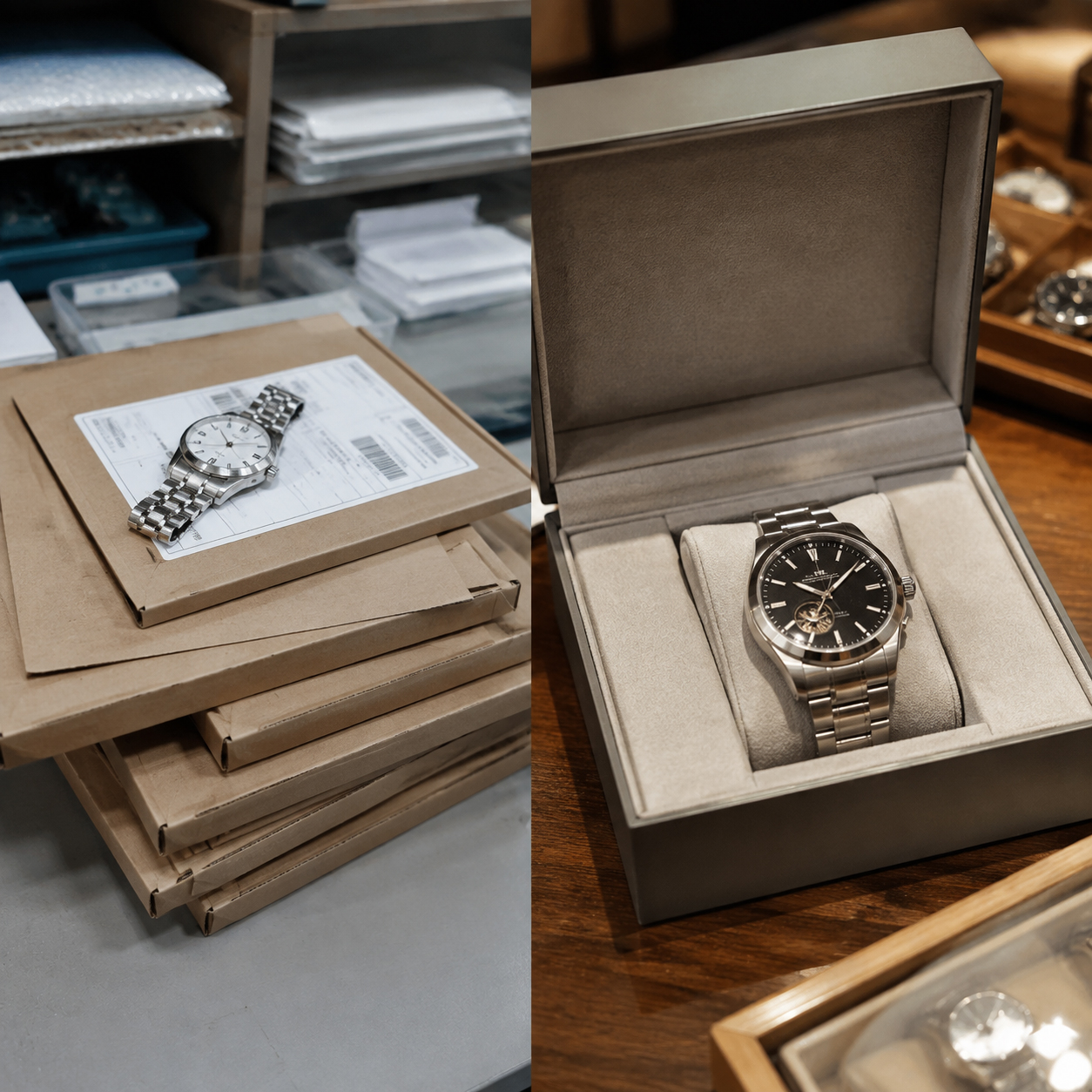
Channel is usually a better starting question than movement type. Buyers selling through fast-turnaround e-commerce storefronts, dropship listings, or promotional and corporate gifting programs are almost always better served by quartz — the lower unit cost supports thinner margins at volume, and near-zero service claims matter more than romance when a customer service team is small. Buyers building a boutique, direct-to-consumer, or gift-market brand with a $150-plus retail price generally need automatic, because that price point creates an expectation of mechanical movement that quartz cannot satisfy no matter how well the case is finished. Buyers stuck between the two — a $60 to $100 retail band — are the ones who benefit most from testing both in a small first run, since watch movement suppliers can usually split a sample order across both movement types without materially changing tooling costs. It's also worth knowing that some automatic watch movement manufacturers set higher minimum order quantities on automatic calibers than on quartz, simply because the parts themselves are sourced in smaller production batches.
How KODA Handles This
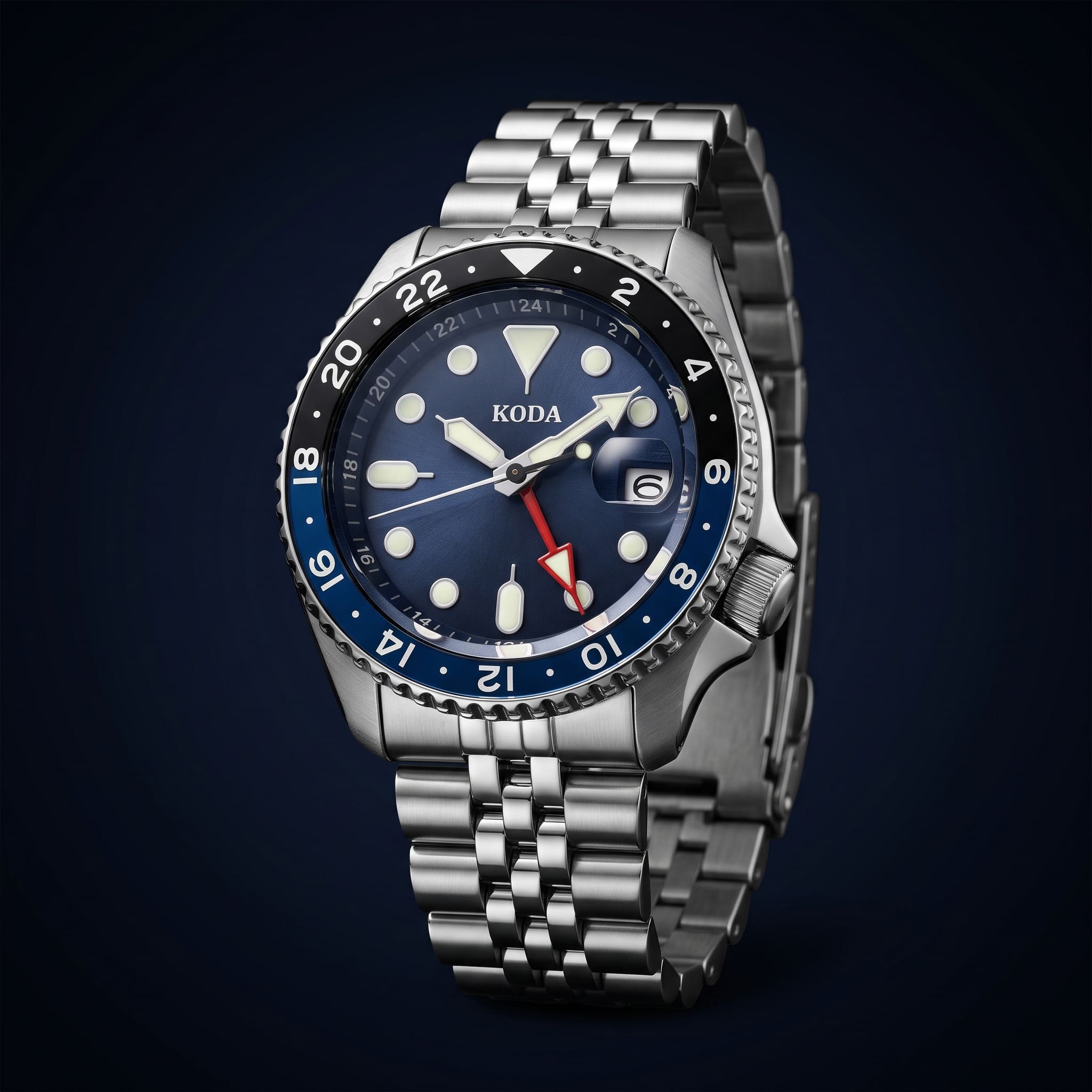
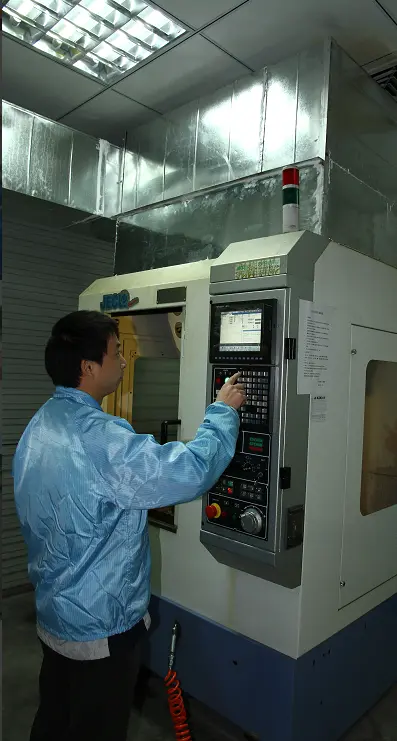
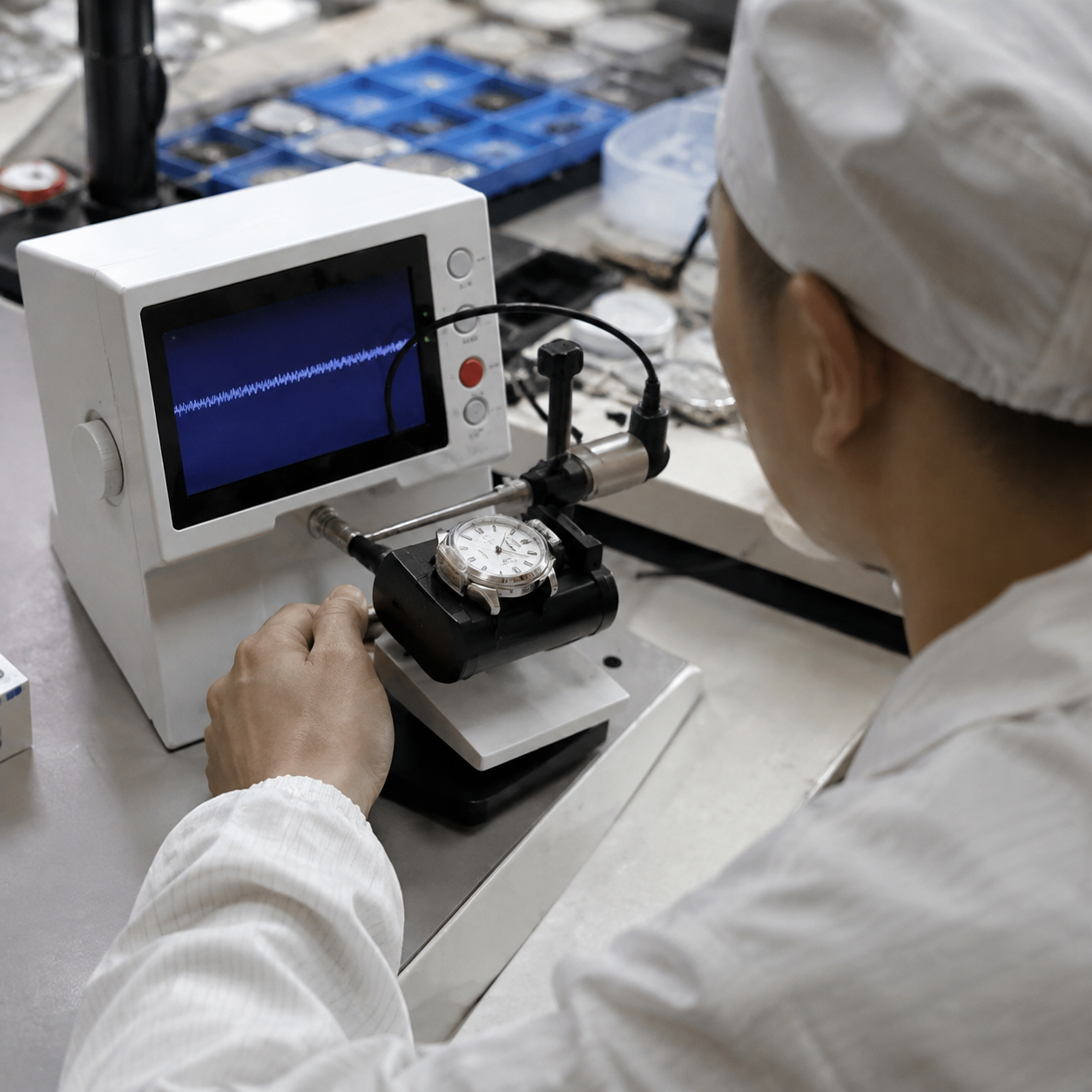
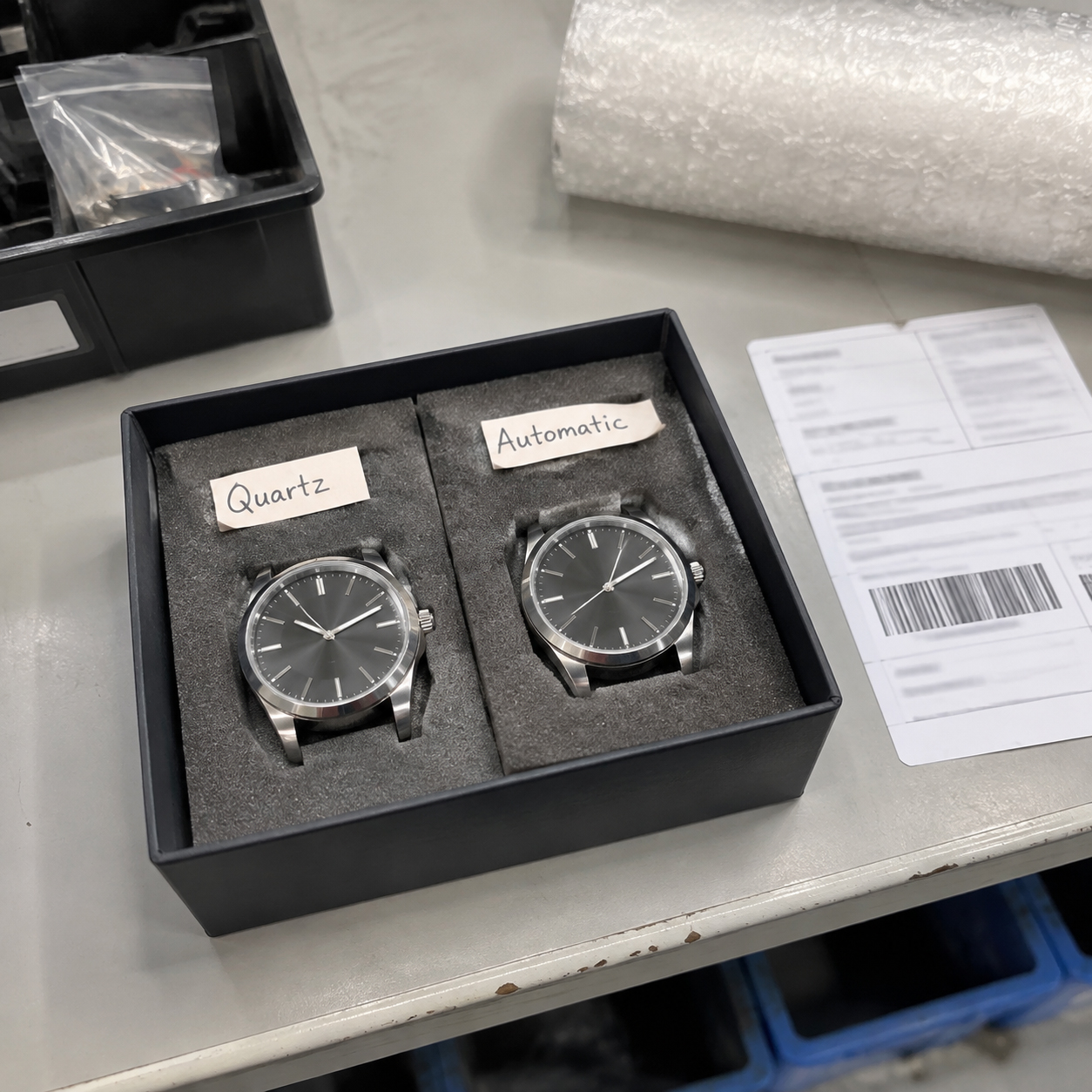
We keep both movement families in active production rather than steering every inquiry toward one default, because the honest answer to “quartz or mechanical” depends on the buyer's channel, not on which option carries a better margin for us. Not every one of the quartz watch manufacturers or automatic watch manufacturers a buyer contacts will admit that plainly, since a factory with only one movement type in-house has an obvious incentive to talk you into it. Sample runs typically include one unit of each when a buyer has not decided, and lead times run 15 to 20 days for quartz builds versus 25 to 35 days for automatic, largely because movement sourcing and regulation timing differ between the two. Send us your target retail price and sales channel and we can tell you within a day which movement family actually fits, rather than defaulting to whichever one sounds more impressive in a product listing.
FAQ
Is mechanical always more expensive to produce than quartz?
Almost always, yes — even an entry automatic caliber costs two to four times a basic quartz movement, and Swiss automatics can run twenty to thirty times higher. The exception is heavily featured quartz movements (chronograph functions, multiple sub-dials), which can approach entry automatic pricing.
Do customers actually notice the difference?
At a glance, rarely. Once they open the case back or feel the weight difference — automatic movements typically add 10 to 20 grams versus quartz in the same case — the distinction becomes obvious, which is why case back design matters more for mechanical builds.
Can I switch a design between quartz and automatic later?
Sometimes, if the case was engineered with clearance for both movement heights from the start. If not, the case back and dial mounting usually need re-tooling, which is a cost worth flagging before the first mold is cut.
Which movement type has a lower return rate?
Quartz, by a meaningful margin, mainly because there is no winding behavior for a customer to get wrong and no stoppage from underuse. Most of the mechanical return claims we see are user error — not a fault — rather than a manufacturing defect.
Is there a single best watch movement manufacturer to work with?
No, and be skeptical of anyone who claims otherwise. Mechanical watch movement manufacturers and quartz suppliers serve genuinely different price points and channels, so “best” only makes sense once you have already answered what the watch needs to do commercially.