
 Quartz Watch
 Mechanical Watch
 Digital Watch


How Wholesale Watch Quotes Actually Work: What We Need First
Ask ten custom watch manufacturers for a price on 300 pieces and none of them will give a number before asking follow-up questions. That's not evasiveness or a stalling tactic — a watch order isn't priced as one category, it's priced as four or five separate decisions stacked together, and a quantity alone doesn't say anything about which of those decisions apply. “Watch” isn't a price point; it's a range wide enough that skipping the specs usually means a guess in one direction or the other.
Why a Quantity Alone Doesn't Get You a Price
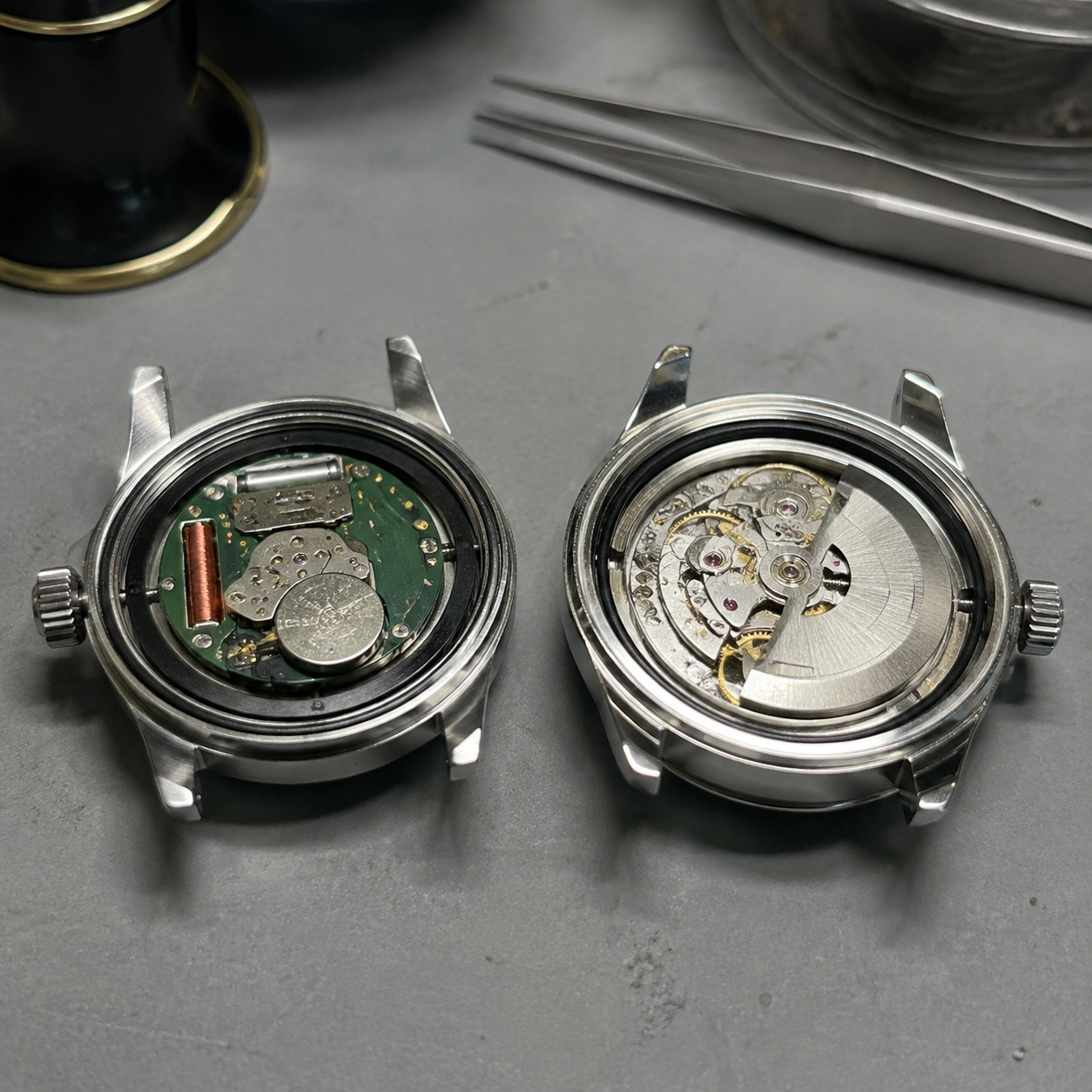
Two orders of 300 pieces can land at completely different unit costs depending on what's inside them. A steel case with a mechanical automatic movement typically prices 30 to 45 percent higher than the same design in a zinc alloy case with a quartz movement. Swap a mineral crystal for sapphire and the per-unit cost moves again. Add a 10ATM water resistance rating instead of 5ATM and the gasket, case back, and testing requirements change too. Wholesale watch suppliers aren't being evasive when they ask for specs first — they're pricing components, not a category label. This is standard practice across wholesale watch manufacturers generally, not something specific to one factory, and buyers who work through bulk wholesale watches suppliers on a regular basis usually have this checklist ready before they send the first message.
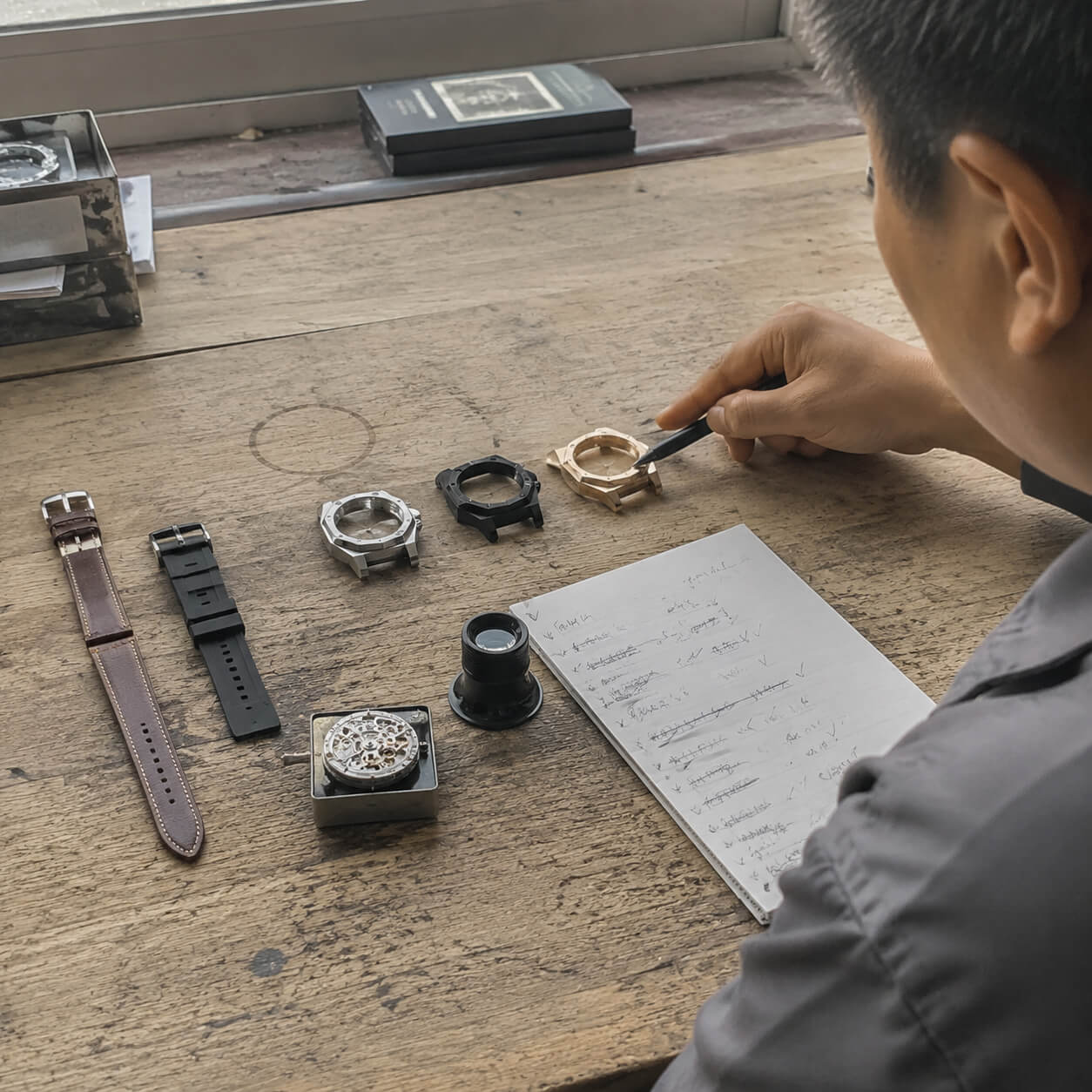
Step One: Confirm the Design Direction
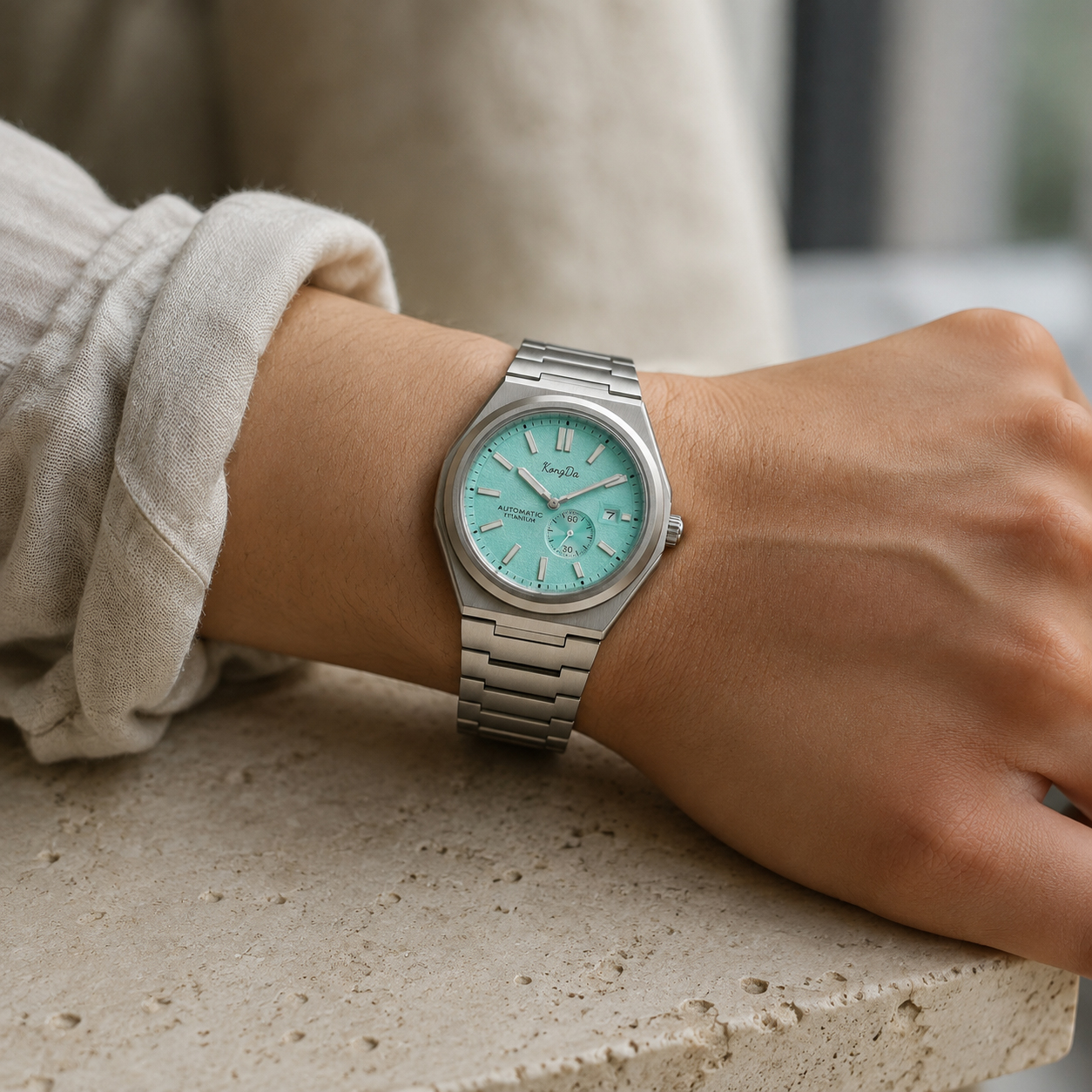
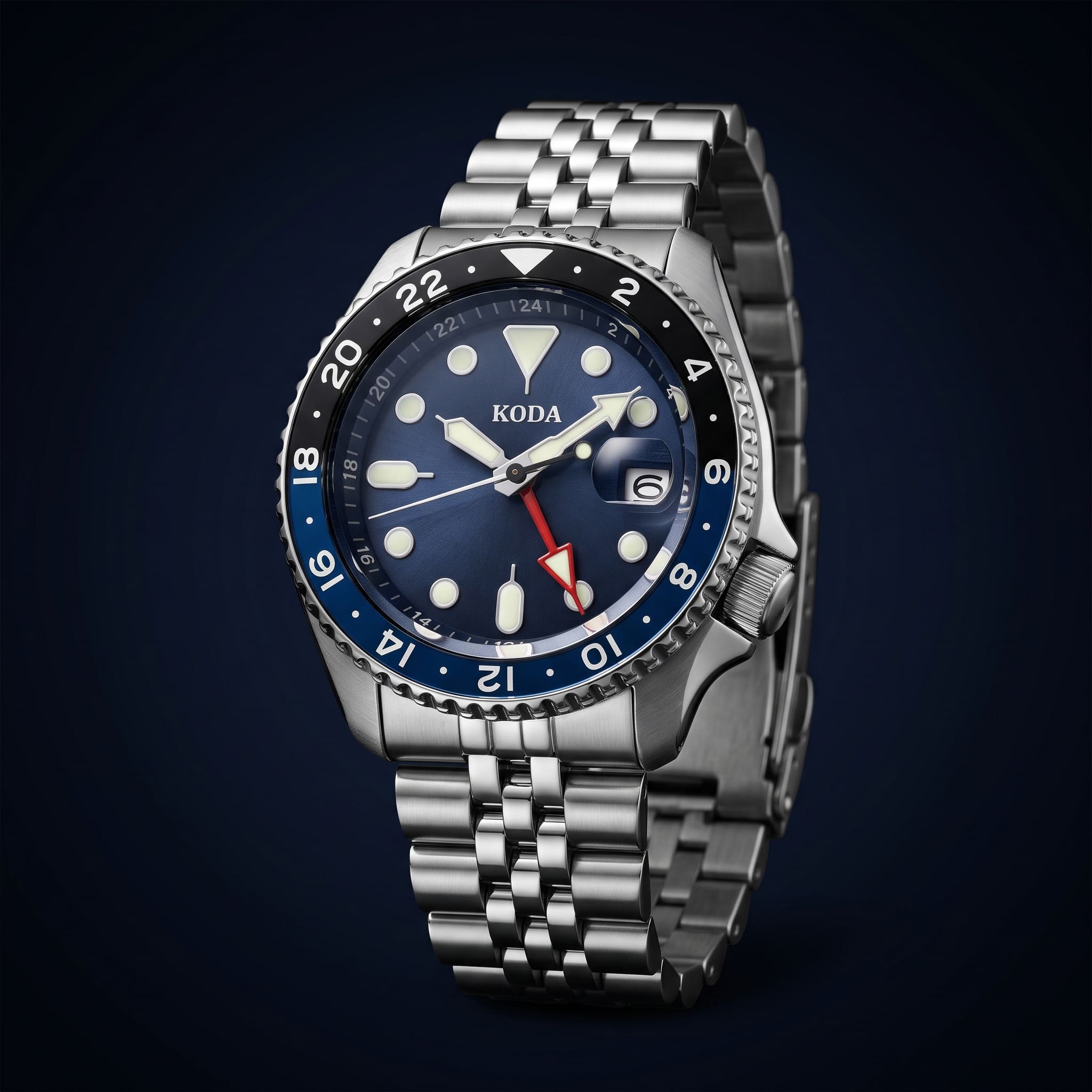
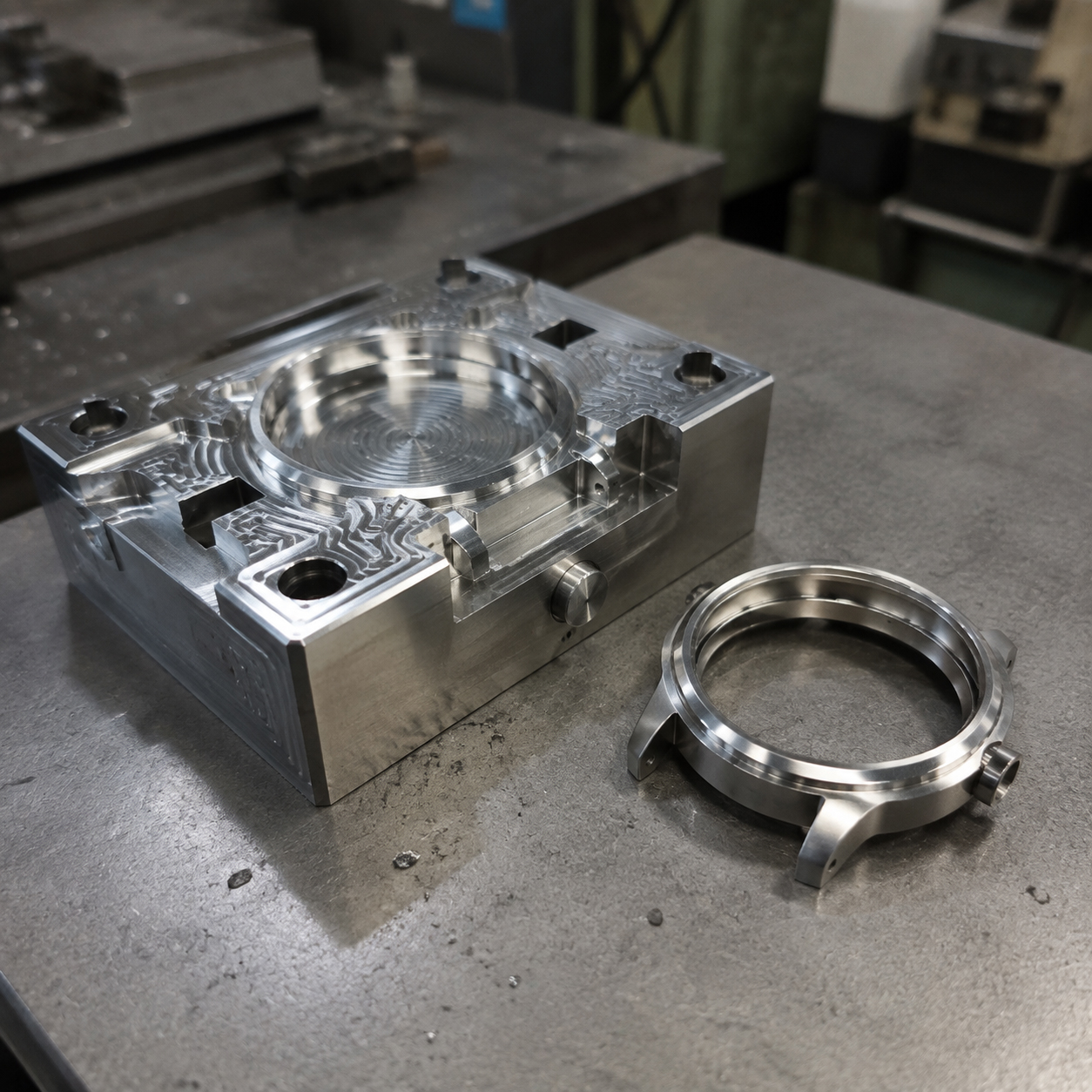
Before materials get discussed, the design itself needs to be pinned down. “Based on this watch” with a reference photo attached moves things forward faster than a written description, because case shape and dial layout are the two things that determine whether an order fits an existing production line or needs new tooling. A custom watch supplier working from an existing case in its library can usually quote and sample within days; a shape that doesn't exist yet means a mold development conversation before pricing means anything.
Step Two: The Four Specs That Actually Move the Number
Once the design is confirmed, four categories decide the price. Case material is the biggest swing — 316L stainless steel, zinc alloy, and titanium sit at different cost tiers, and any watch case supplier will ask this before anything else. Movement comes next: quartz, standard automatic, and Swiss-made automatic movements are three separate price brackets, not variations on one number. Strap or band material matters more than buyers expect — genuine leather, silicone, and stainless mesh all come from different production lines, which is why wholesale watch bands suppliers typically quote straps separately from the case and movement. Crystal type and water resistance rating round out the list, since sapphire crystal and higher ATM ratings both add cost through harder materials and stricter sealing and testing. Crystal, gasket, and clasp hardware are often quoted separately from the case itself, which is the same logic watch parts suppliers use when they break a bill of materials into individual line items instead of one bundled number.
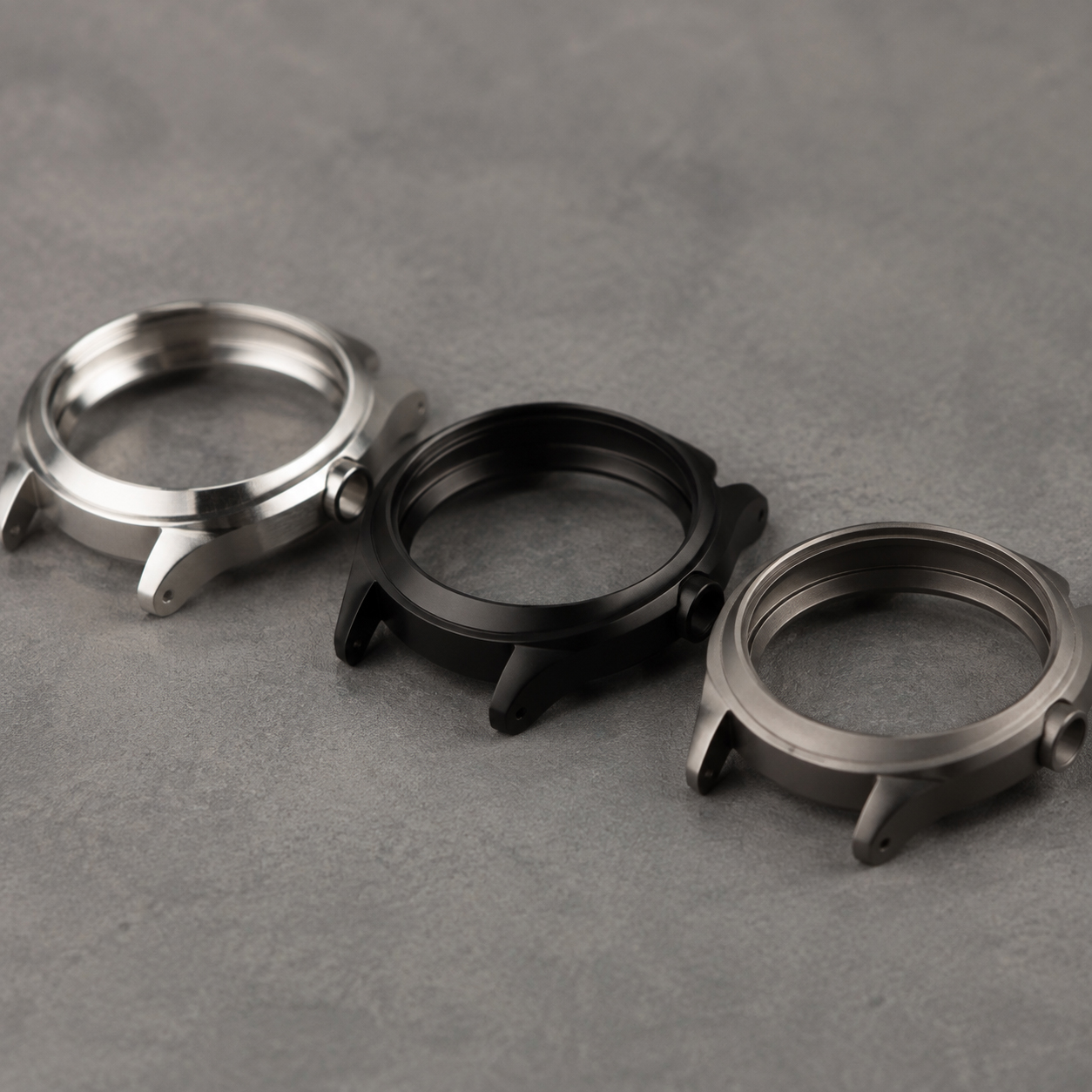
A Design Change Isn't Always a Material Change
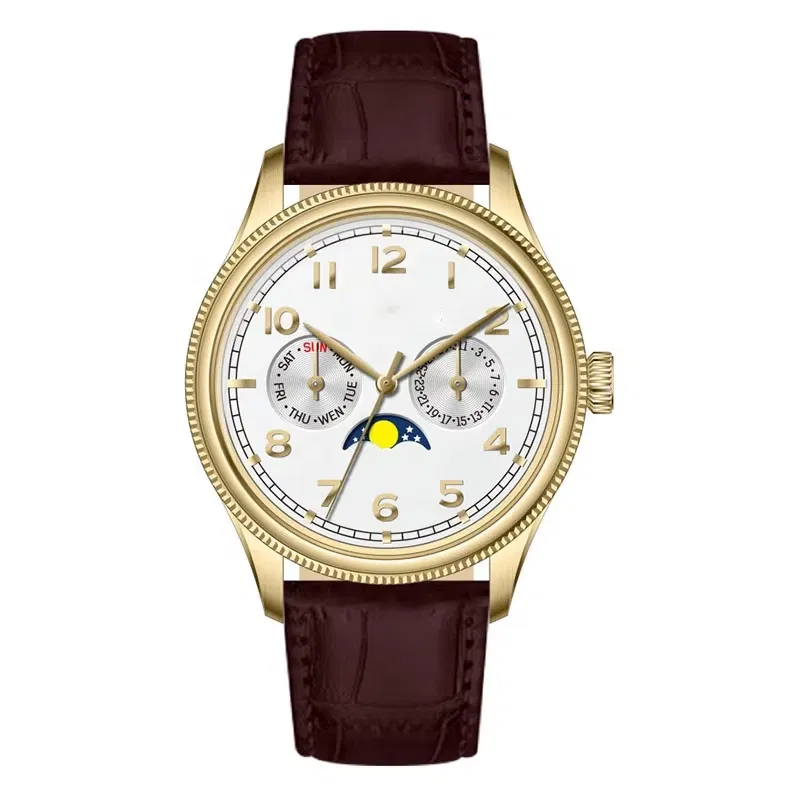
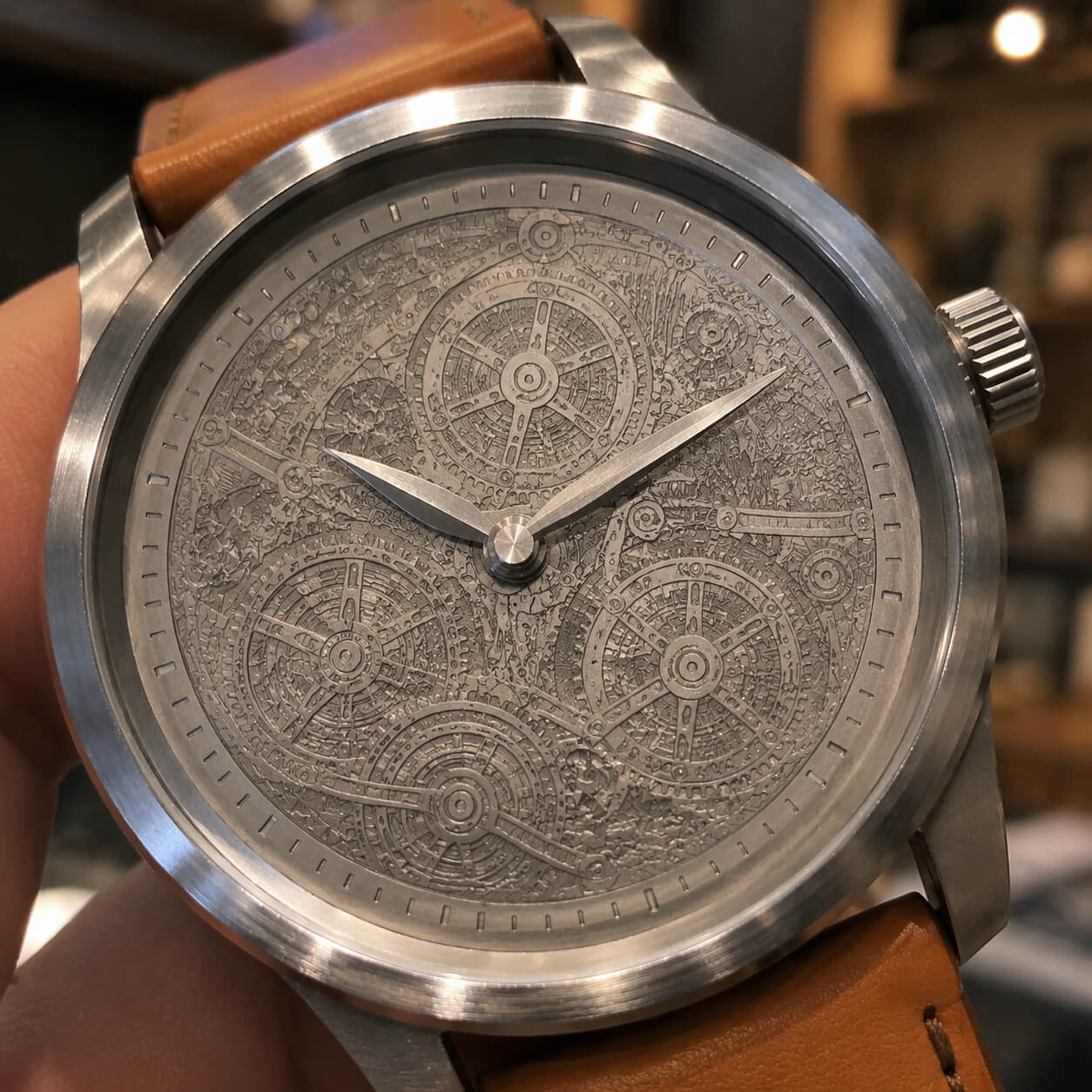
One distinction buyers often miss: changing the dial layout is a design decision, not a materials one, and it gets evaluated differently. A custom watch dial manufacturer can usually swap a logo position, index style, or color on an existing dial template within days. But if the layout itself changes — a new subdial, a different hand style that needs more clearance — that's treated as a new design element even when the case and movement stay identical, and it gets scoped before it gets priced.
|
Spec Category |
Common Options |
What It Changes |
|
Case material |
316L steel / zinc alloy / titanium |
Base unit cost, weight, corrosion resistance |
|
Movement |
Quartz / standard automatic / Swiss automatic |
Price tier, accuracy claims, lead time |
|
Strap or band |
Leather / silicone / stainless mesh |
Production line, MOQ, unit cost |
|
Crystal & water resistance |
Mineral vs sapphire / 5ATM vs 10ATM |
Material cost, gasket and testing requirements |
A Real Buyer Inquiry, Broken Down
A recent inquiry through Alibaba is a useful example because it packed two common patterns into one conversation. The buyer had no material preference and said so directly — “I'm open to your recommendations,” “whatever gives the best balance of quality and price” — which is harder to quote against than it sounds. Treating that as a cue for more questions usually backfires; buyers in this position tend to disengage if they don't get concrete numbers quickly, so the better move is proposing one specific configuration with a real price attached — steel case, quartz movement, 5ATM rating, sapphire crystal as a paid upgrade — and letting the buyer react to something concrete.
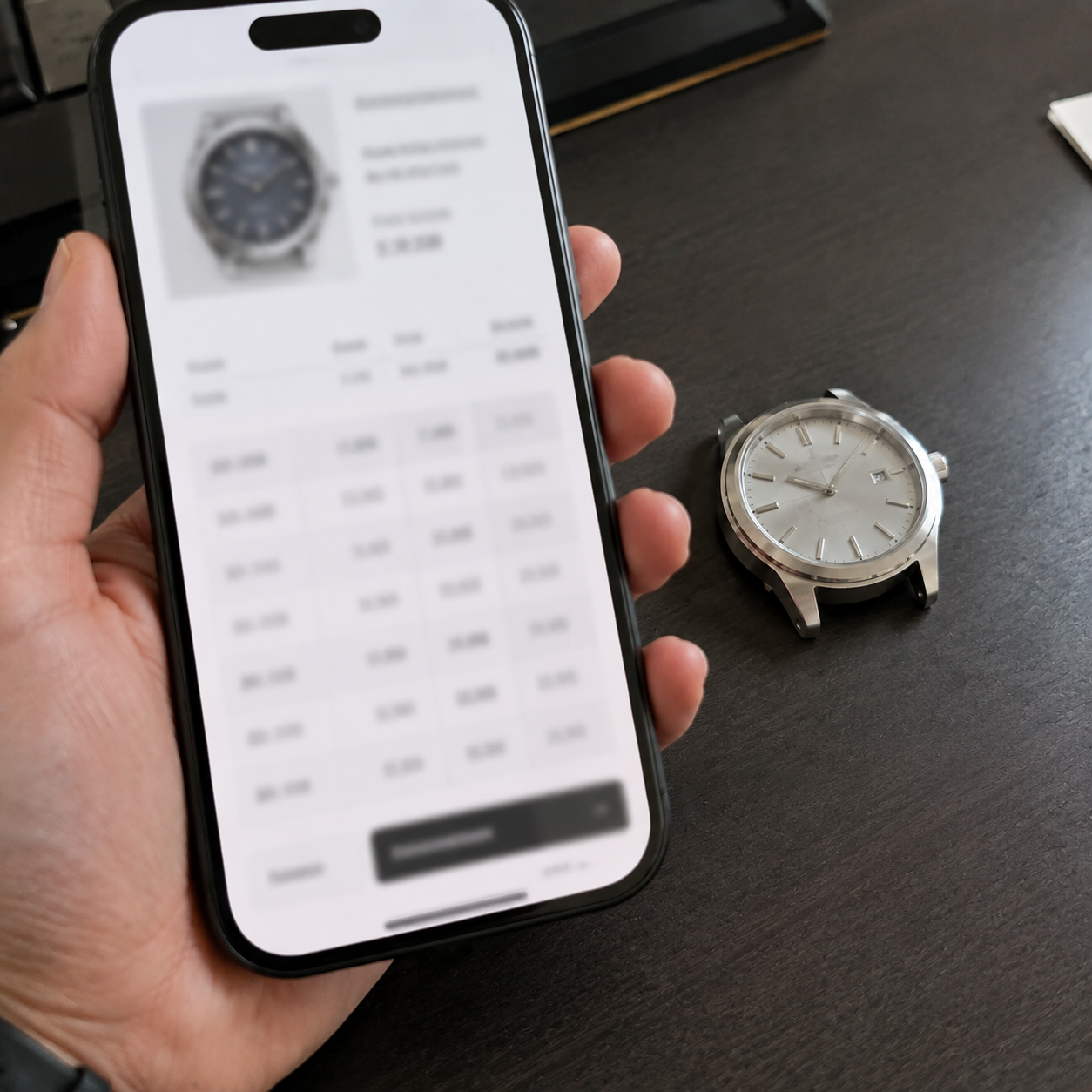
The same buyer also arrived with a reference: a screenshot of another listing with tiered pricing already visible. That's useful information, not a negotiating trap — it means the buyer has a real number in mind, and a quote that lands far outside that range is likely to get dropped without explanation. Matching the spec of the reference listing before responding to the price itself usually surfaces the actual gap: sometimes the anchor price is for a lighter alloy case or a lower water resistance rating, and the comparison isn't apples to apples once that's clarified.
How KODA Handles This
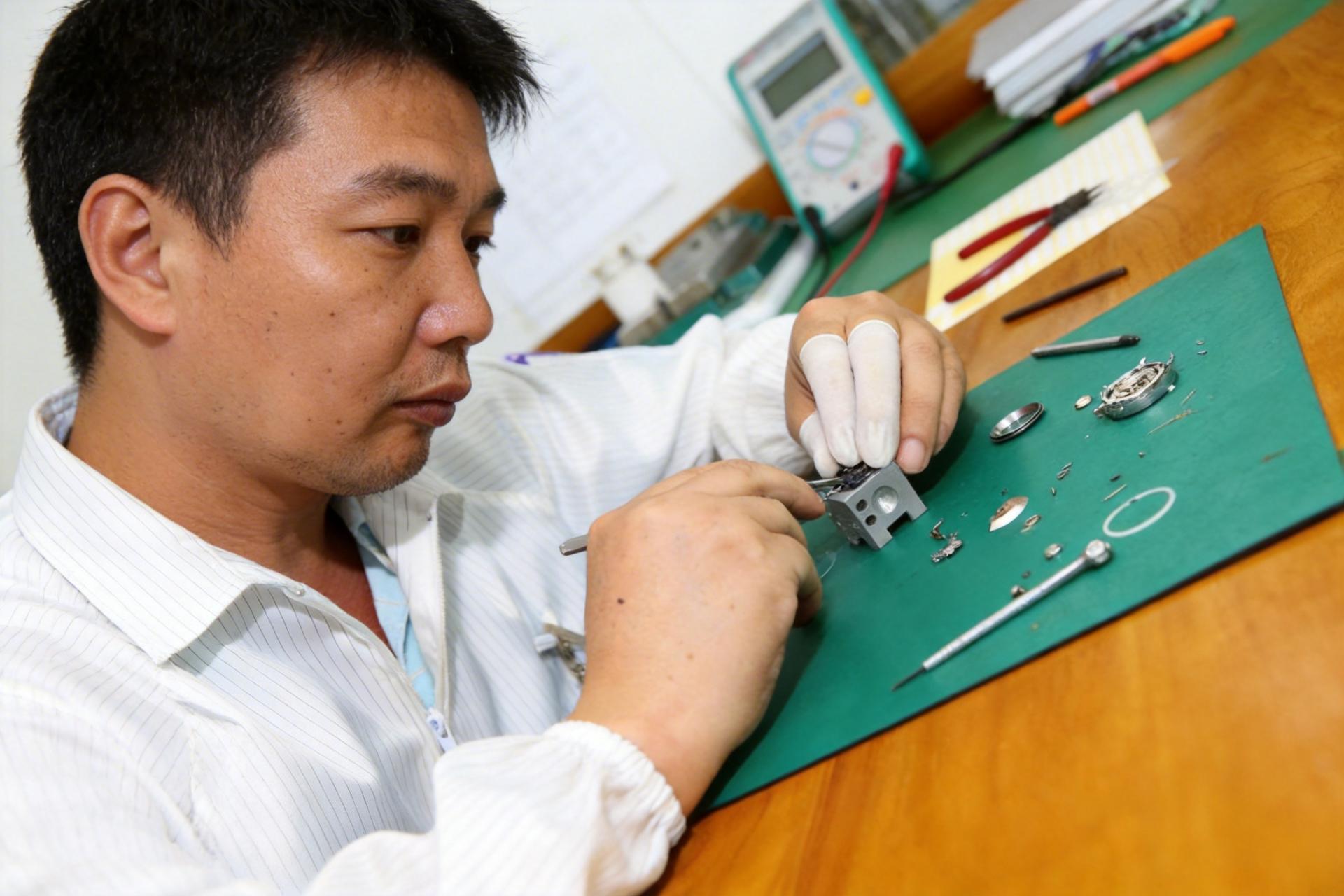
Spec review happens before quoting, not after. As a custom watch case manufacturer and full-service OEM/ODM supplier, we ask for a reference image, target case material, movement tier, and strap type upfront, and we can usually turn that into a written quote within 24 to 48 hours. For buyers who don't have a spec sheet ready, we'll propose a starting configuration based on similar orders we've run before, so the conversation moves forward instead of stalling on a blank form.
Get a Free Quote to send us a reference photo and get a spec-based price back within two days.
FAQ
Why can't I just get a price per piece without specs?
Because “watch” covers too wide a cost range to quote as one category. The same design can swing 40 percent or more in unit cost depending on case material and movement alone, so a number given without specs is either a guess or padded high enough to cover the unknown.
What's the fastest way to get an accurate quote?
Send a reference photo plus your target case material, movement type, and strap material in the first message. That alone covers most of what changes the price and usually gets a same-day response instead of a back-and-forth over several days.
Do I need to know exact material grades before asking?
No. “Steel” or “leather strap” is enough to start; a custom watch manufacturer will confirm the exact grade or finish with you once the general direction is set.
What if I only have a reference photo and no spec sheet?
That's normal for a first inquiry. A photo plus rough quantity is enough for a starting quote, and specs usually get finalized during the sample stage rather than before it.