
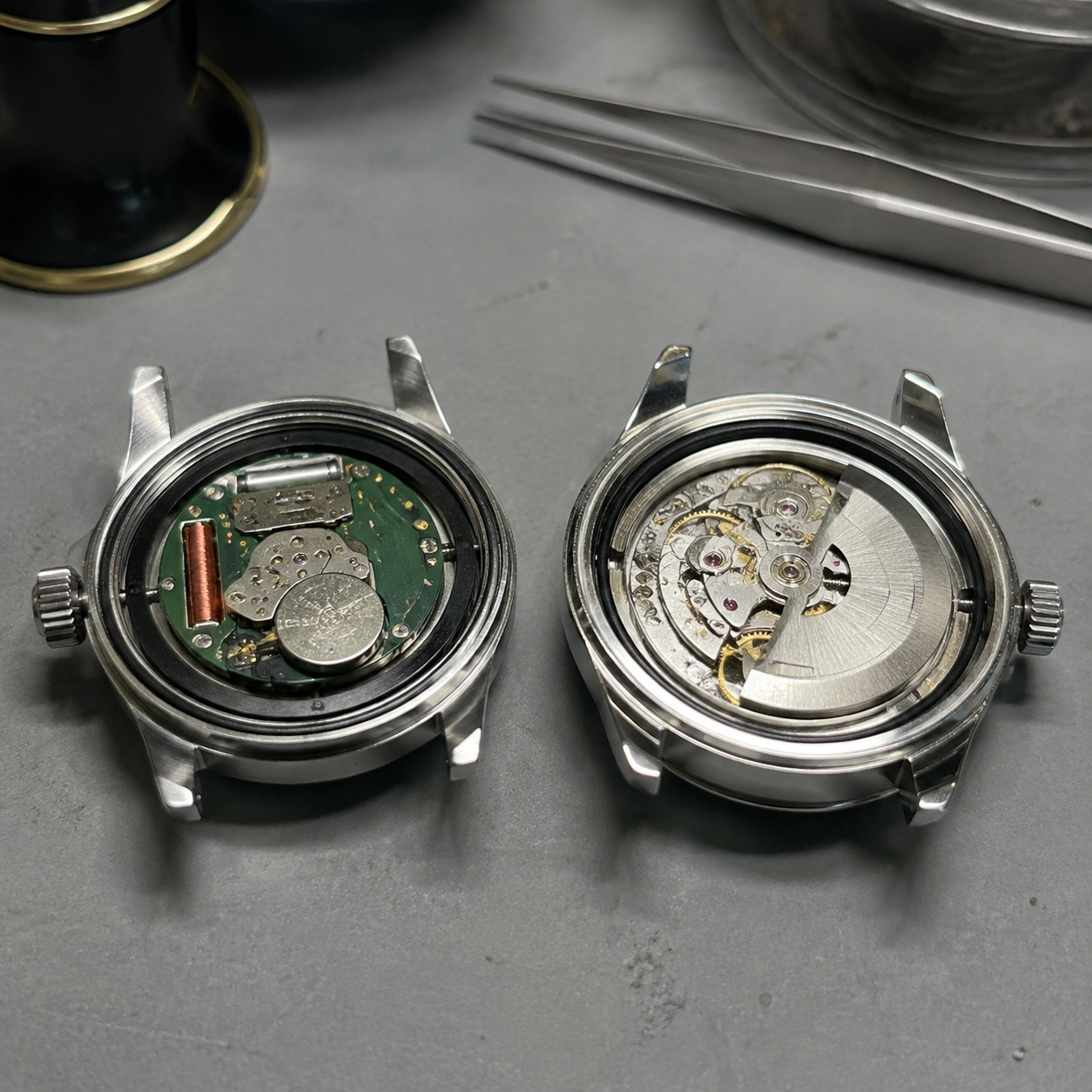
 Quartz Watch
 Mechanical Watch
 Digital Watch


Factory Direct vs Trading Company: Which Sourcing Path Actually Saves You Money
The assumption most new buyers start with is simple: going factory direct is always cheaper because there's no middleman markup. That's true on the invoice, but it's not the whole picture. A trading company charges a markup because it absorbs work a factory won't do for you — language, quality oversight, consolidating shipments — and the buyers who skip that layer without replacing it themselves often pay for it later in ways that never show up as a line item.
What "Factory Direct" Actually Means
Buying factory direct means your purchase order goes straight to the custom watch manufacturers doing the physical build, with no agent or sourcing company sitting between you and the production floor. The price is lower because there's one fewer party taking a cut, and communication about specs and tooling is more precise because it isn't relayed through someone else. What you also lose is the buffer that agent normally provides — if a shipment ships late or a batch fails QC, you're the one handling it directly with the factory, not routing the problem through an intermediary who already has leverage with that supplier.
What a Trading Company or Agent Actually Adds
A trading company's real value isn't the factory relationship — it's consolidation and risk absorption. If you're ordering three different product types from three different wholesale watch manufacturers, an agent can combine them into one shipment and one point of contact instead of three. Most agents also do a baseline QC pass before goods leave China, and charge a markup that typically runs 8-15% on top of factory price for that service. For a first-time buyer who's never done a factory visit or written a QC checklist, that markup is often cheaper than the mistakes it prevents.

Where Factory Direct Actually Wins
Factory direct makes the most sense once you have a recurring order large enough that the agent's markup is a meaningful dollar amount rather than a rounding error, and once you're willing to either visit the factory yourself or hire a third-party inspector for spot checks. It also matters for private label buyers protecting a custom mold or dial design — every additional party who touches your specifications is one more place that IP can leak to a competitor ordering from the same region.
Where an Agent Still Makes Sense, Even at Volume
Buyers sourcing from a watch case manufacturer for cases and a separate factory for straps or packaging sometimes keep an agent even after their order size would justify going direct, purely because coordinating multiple production timelines into one shipment date is a real job, not a formality. If your order mixes product types across factories that don't normally work together, the agent's fee is buying coordination, not just a QC pass. This is also where the line between wholesale watch suppliers and true manufacturers gets blurry — some suppliers listed on sourcing platforms are themselves acting as an informal agent across two or three factories they don't own, without saying so upfront.
The Hidden Cost Buyers Miss
The savings from going factory direct assume nothing goes wrong. When something does — a color batch that's off-spec, a shipment that misses a launch date — the cost of fixing it yourself, without an agent's local leverage and language fluency, regularly exceeds what the markup would have cost across the whole order. We've seen buyers switch from an odm watch manufacturer relationship back to an agent after one bad batch, not because the factory relationship failed, but because they had no one on the ground to resolve it quickly. The math only works in the factory's favor if you're prepared to act as your own quality department the moment something goes wrong, and most first-time direct buyers underestimate how much time that actually takes.
How to Tell If a "Factory" Is Actually a Trading Company in Disguise
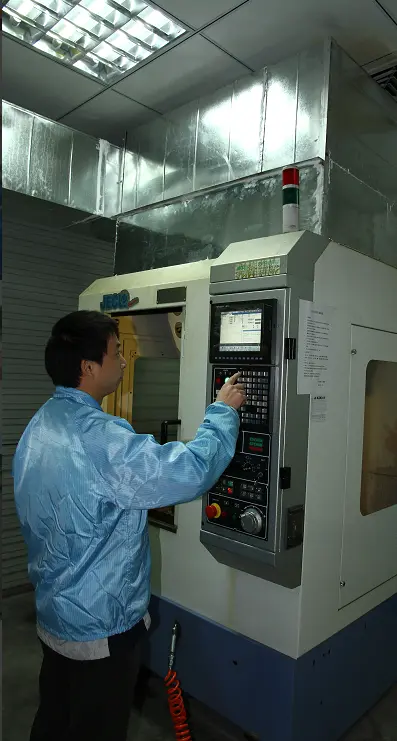
A surprising number of listings claiming to be watch manufacturers near me or on sourcing platforms are trading companies representing a factory they don't own. The tell is specificity: a real factory can answer exactly which department handles plating versus assembly and will allow a live video walkthrough on request; a reseller tends to give vaguer answers and needs a day or two to "check with the workshop." An alibaba watch manufacturer listing with generic stock photos across multiple unrelated product categories is worth this question before you place a deposit.
Factory Direct vs Agent: Quick Comparison
| Factor | Factory Direct | Trading Company / Agent |
|---|---|---|
| Unit price | Lower | Higher (8-15% markup) |
| QC responsibility | Yours | Partially theirs |
| Multi-factory orders | You coordinate | They consolidate |
| IP exposure | Fewer parties see specs | One more party sees specs |
| Best for | Recurring, larger orders | First orders, mixed product types |
How KODA Handles This
We work directly with buyers as one of the private label watch manufacturers that doesn't route orders through a reseller layer, but we also don't pretend that suits every buyer. First-time buyers placing a small trial order are often better served going through a sourcing agent they already trust, and we'll say so rather than pushing for a direct relationship that doesn't fit their volume yet. As a custom watch supplier, our incentive is a buyer who reorders, not one who overcommits on their first purchase and doesn't come back.