
 Quartz Watch
 Mechanical Watch
 Digital Watch


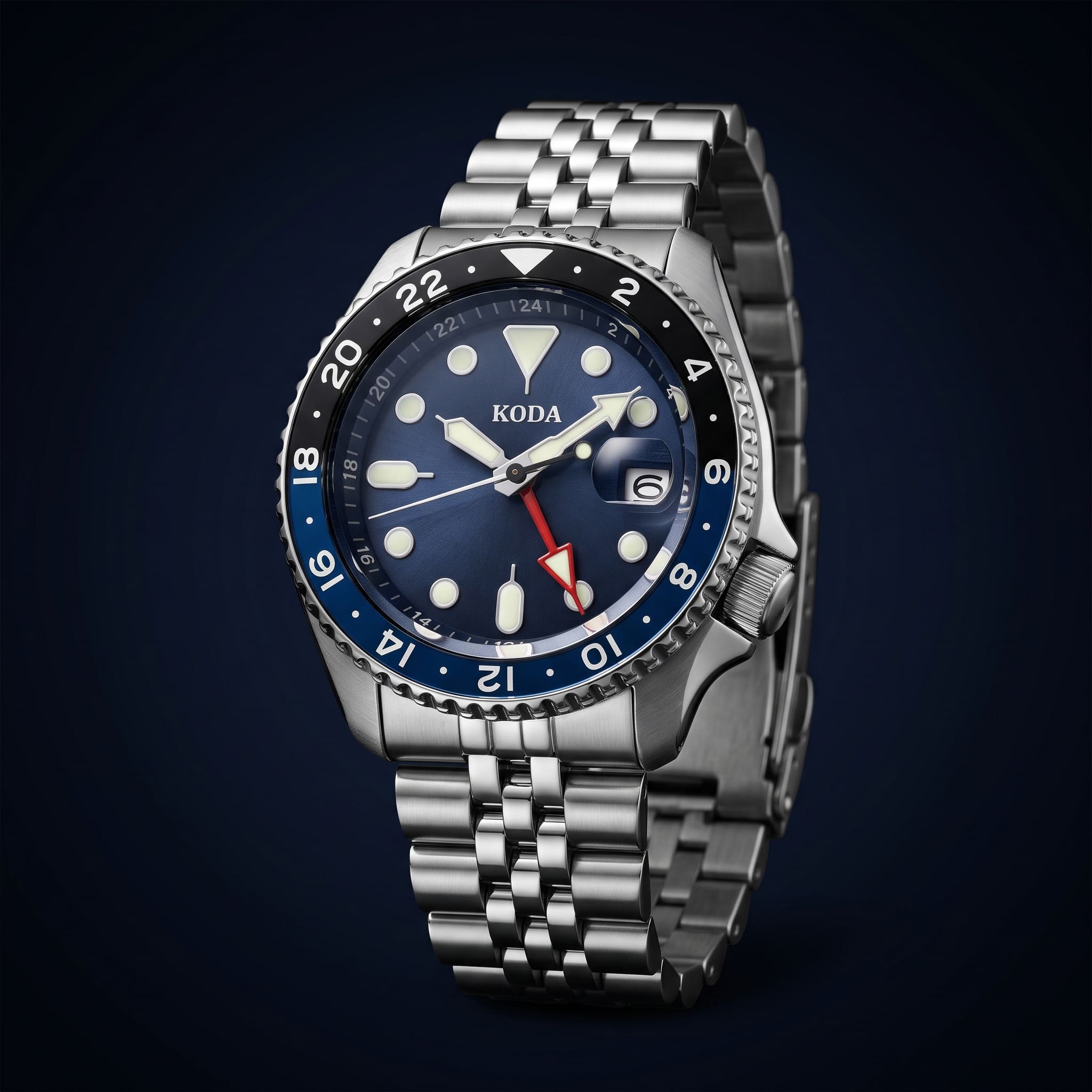

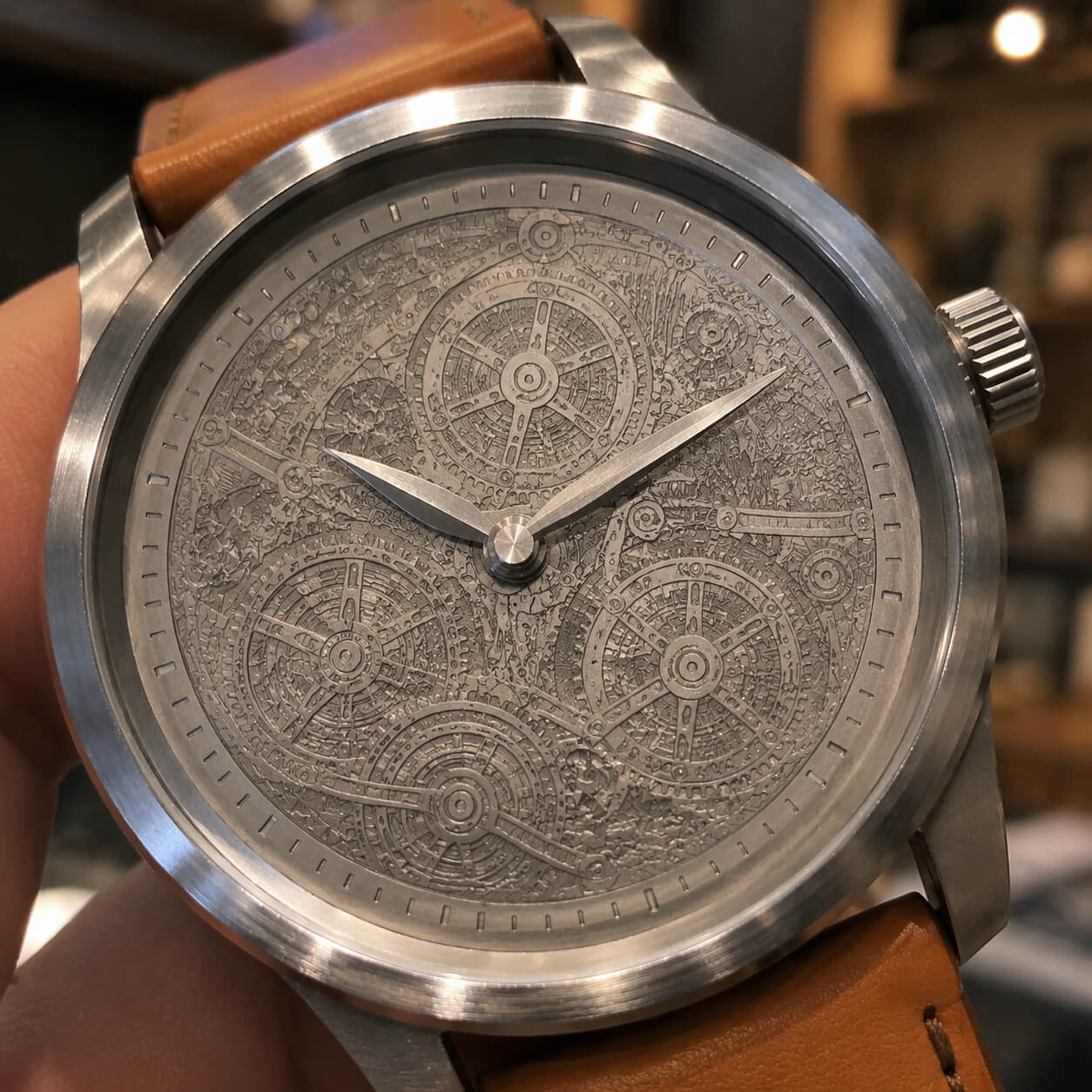

2026 Watch Dial Color Trends: What Wholesale Buyers Should Actually Stock
Every December, color forecasters — Pantone, Sherwin-Williams, WGSN, and a handful of paint and textile houses — publish next year's color story. For fashion and interiors, this drives real purchasing decisions. For watch dials, the relationship is looser: a color that reads well on a wall or a handbag doesn't automatically translate into a dial that can be produced at OEM volume without a custom pigment order. Five colors from the 2026 forecasts do translate cleanly to standard dial and plating processes, and this breakdown covers which ones, what they cost to produce, and which are worth testing at low volume before committing to a full run.
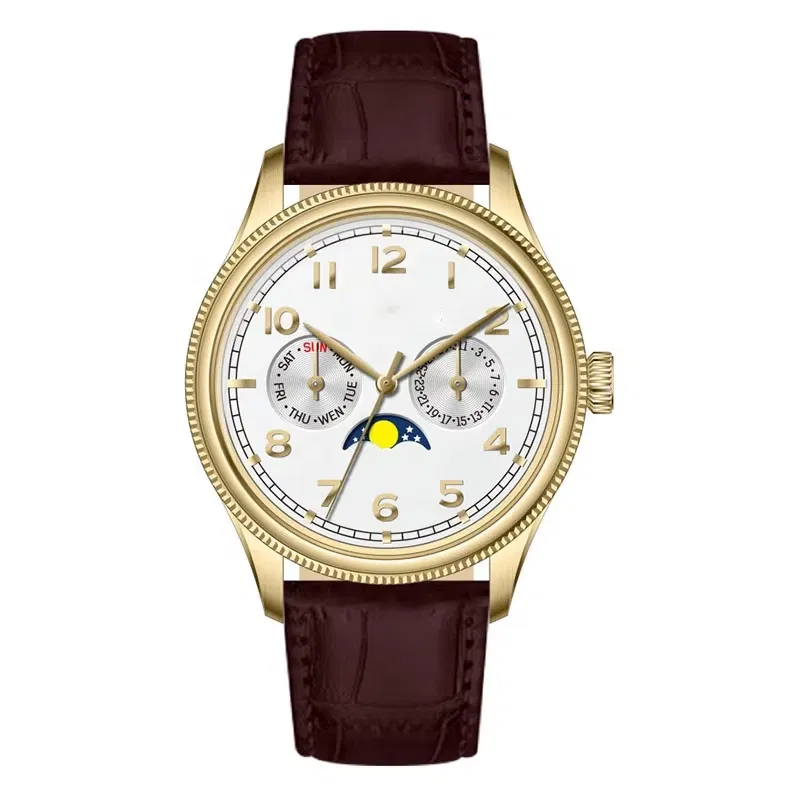
Five Colors Worth Watching for 2026
Quick reference before the detail below:
|
Color |
OEM Process |
Cost Tier |
Recommended Test MOQ |
|
Cloud Dancer (soft white) |
Standard silver/pearl dial, no custom pigment |
Entry (standard) |
50 pcs |
|
Universal Khaki (beige/champagne) |
Standard champagne PVD dial coating |
Entry-to-mid |
50-100 pcs |
|
Silhouette (charcoal + rose gold) |
Matte charcoal dial + rose-gold PVD case, two processes |
Mid |
100 pcs |
|
Divine Damson (burgundy) |
Custom sunray-burgundy pigment, non-standard color |
Mid-to-high |
150-200 pcs, or add to a mixed order |
|
Transformative Teal (deep green/teal) |
Custom green/teal pigment dial, non-standard color |
Mid-to-high |
150-200 pcs, or add to a mixed order |
Cloud Dancer: The Safe, High-Volume Choice
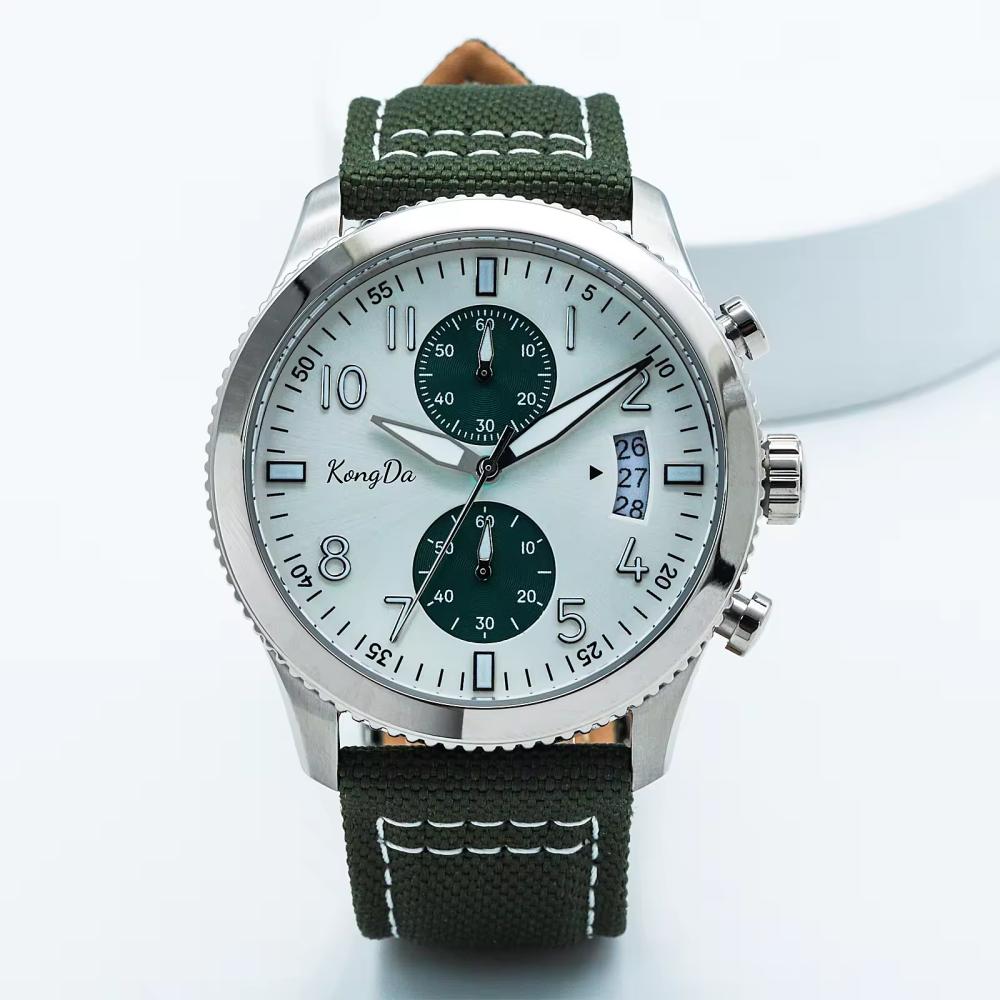
Pantone's 2026 color of the year is a soft, warm white — not stark white, not silver, closer to what dial suppliers already stock as “pearl” or “cloud” white. This is the easiest of the five to produce because it doesn't require a custom pigment batch: most factories, KODA included, keep this dial finish in standard rotation alongside black and blue. If you're testing the color-trend angle for the first time without wanting to commit to a custom color run, this is the lowest-risk starting point — standard MOQ, no upcharge, no minimum pigment batch to clear.
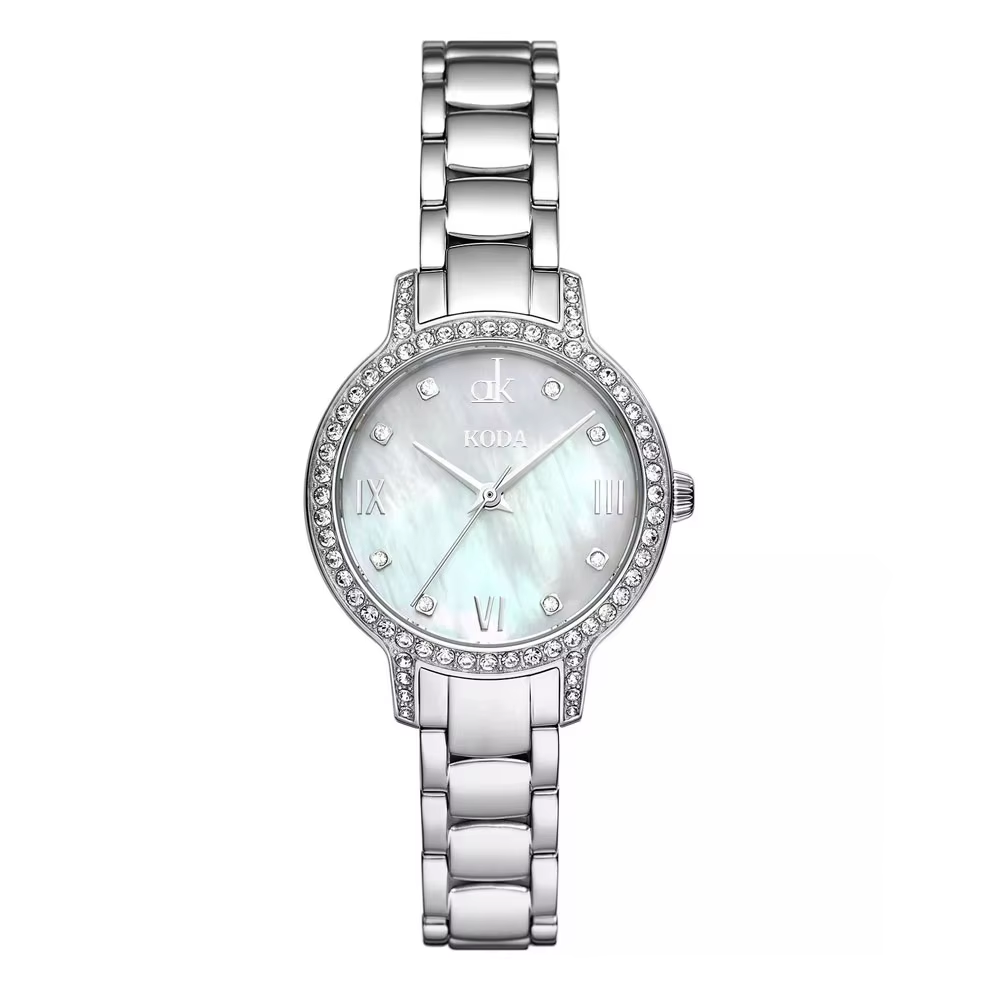
Universal Khaki: The Color That Photographs Better Than It Sounds
Khaki and champagne dial tones undersell themselves on a spec sheet but perform well in actual product photos, particularly against a rose-gold or two-tone case — which is likely why this pick keeps surfacing across multiple watch brands' 2026 previews independently of each other. This is a standard PVD dial coating for most factories, not a custom order, so the cost sits close to a standard black or silver dial. The main buyer mistake here is pairing it with a silver case instead of gold or rose-gold tones — the contrast against silver reads flat, while the gold-adjacent pairing is what actually reads as “trending.”
Silhouette: Two Processes, One Cohesive Look
A dark charcoal dial paired with a rose-gold case is a two-part production decision, not one — the dial finish and the case plating are separate processes that need to be spec'd and QC'd together, since a mismatch in undertone (a charcoal dial with a cooler grey cast next to a warmer rose gold) is a common cause of rejected samples. Budget for a slightly longer first-sample lead time here than a single-process dial, since two finishing lines need to align rather than one.
Divine Damson: The Color With the Steepest Cost Curve
Deep burgundy and wine-red dials are not part of most factories' standard color library, KODA's included — producing this shade means a custom pigment mix, and custom pigment runs carry a minimum batch requirement that doesn't scale down cleanly for a 50-piece test order. If a buyer wants to test this color without committing to the full minimum, blending it into a mixed-SKU order alongside standard colors is usually more workable than ordering it as a standalone run.
Transformative Teal: Strong on Social, Slower to Reorder
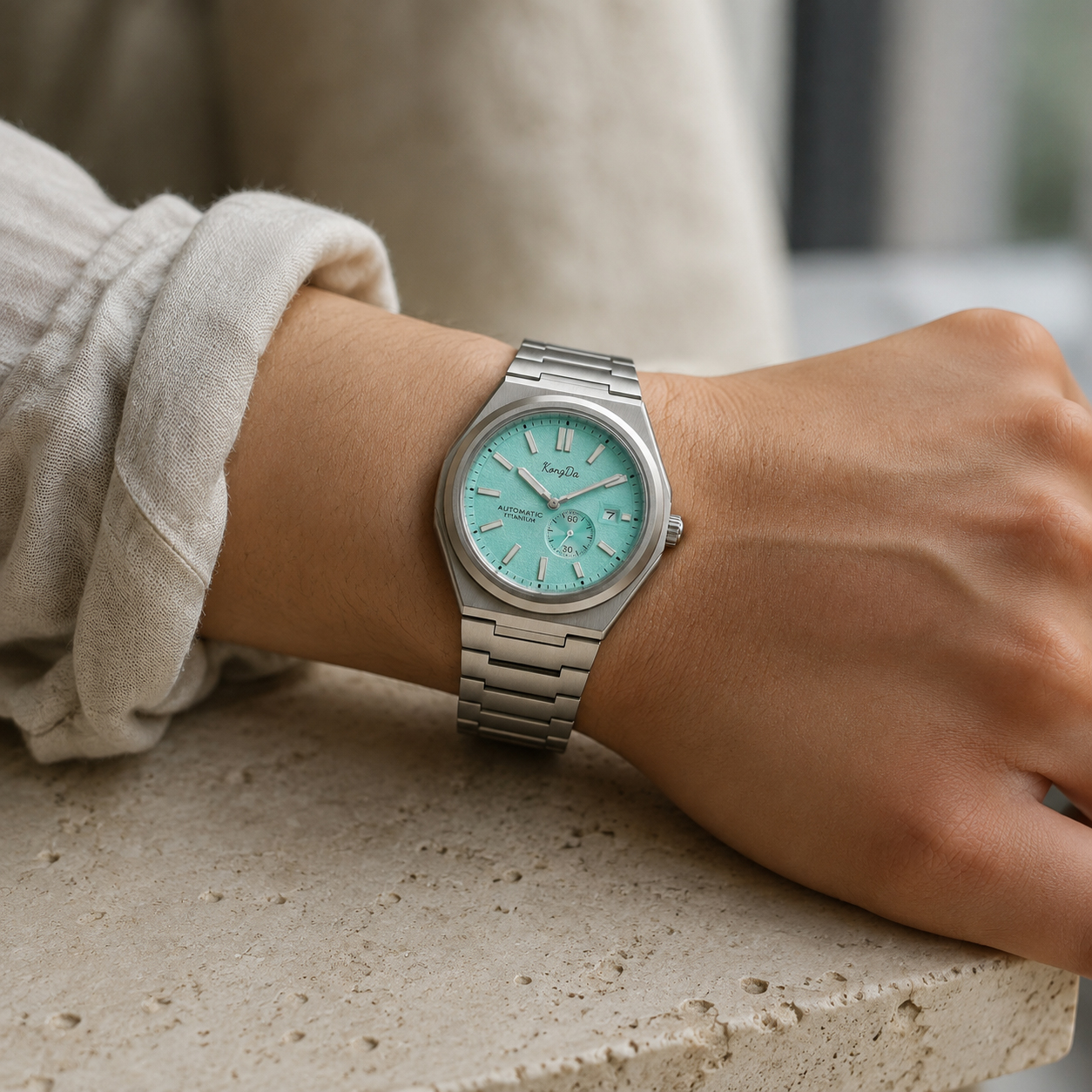
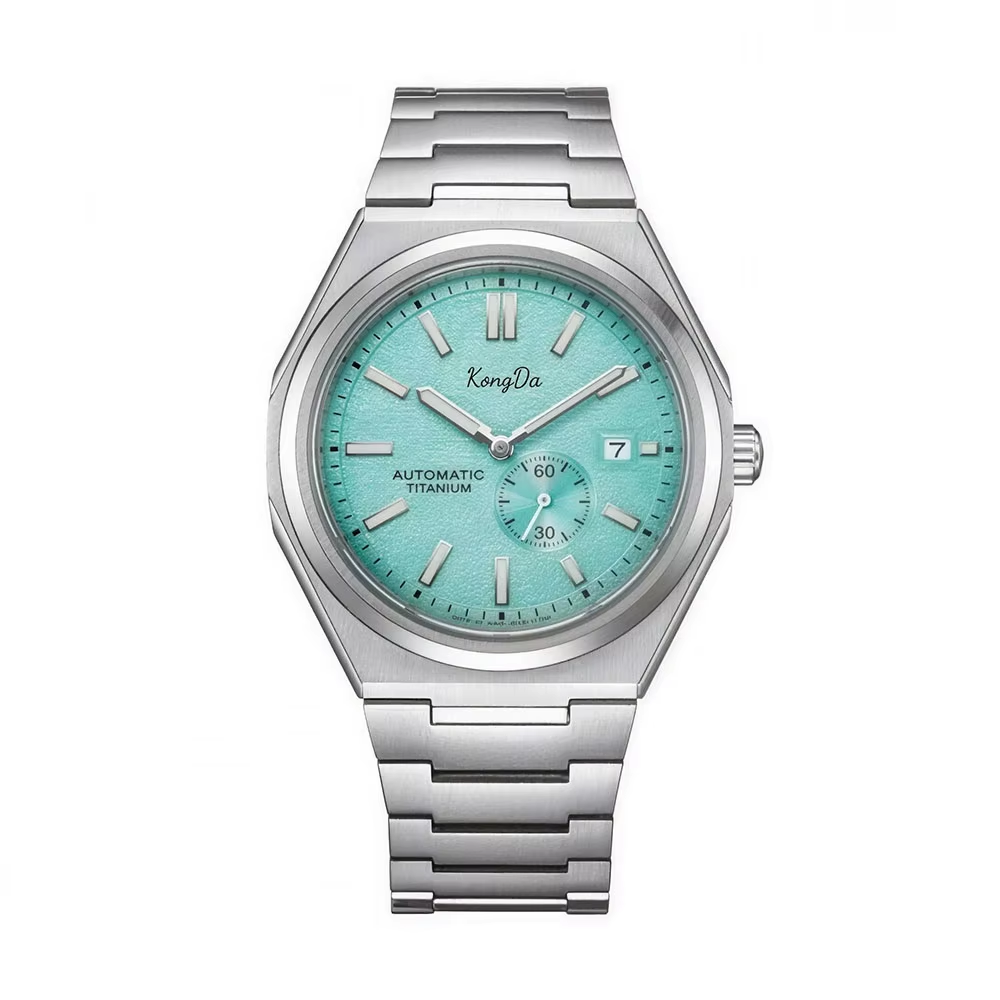
Green and teal dials get outsized attention in product photography and social posts relative to their actual reorder rate — buyers who stocked green dials as a 2025 trend color report that first-order enthusiasm doesn't always repeat at the same volume in a second order, which is worth knowing before over-committing inventory to it. Like Divine Damson, this requires a custom pigment batch, so the same MOQ logic applies: test it inside a mixed order rather than as a dedicated production run.
Where Buyers Get This Wrong
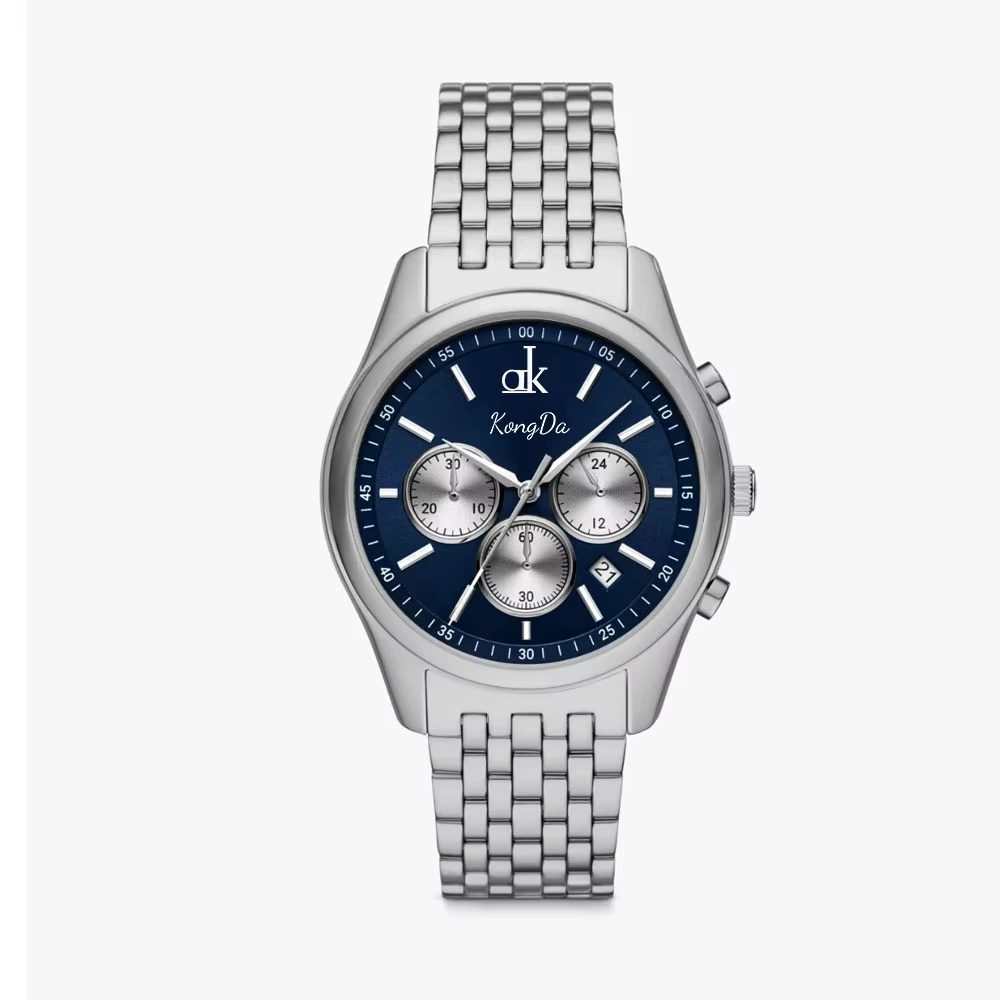
The most common mistake is assuming rarity equals value — a color forecast that few competitors are stocking yet feels like an opportunity, but it's worth remembering why few competitors are stocking it: usually because it requires a custom pigment order with a minimum batch size that doesn't make sense at low volume. The colors worth testing first are the ones that fit inside your existing production run (Cloud Dancer, Universal Khaki), not the ones that require a separate commitment (Divine Damson, Transformative Teal), until you have order history to justify the minimum.
A second mistake is trend-chasing without checking regional fit: a trend color that resonates in one retail market may not translate elsewhere, and dial color preference varies by market more than most other spec decisions.
Testing Color Trends at Low Volume
KODA supports mixed-SKU test orders, meaning trend colors don't have to be ordered as a standalone production run — a buyer testing Cloud Dancer or Universal Khaki can add them to an existing order at standard MOQ, while a custom-pigment color like Divine Damson can be tested as a smaller line item within a larger mixed order rather than triggering its own minimum batch.
FAQ
Do all five of these colors cost the same to produce?
No. Cloud Dancer and Universal Khaki use standard dial finishes already in most factories' rotation, so they carry no cost premium. Silhouette requires coordinating two finishing processes (dial plus case plating), which adds a modest premium. Divine Damson and Transformative Teal require custom pigment batches, which carry the highest premium and a separate minimum order quantity.
Can I test a trend color without meeting a full custom-color MOQ?
For the two standard-finish colors, yes — they slot into a normal order at standard MOQ. For the two custom-pigment colors, the workable path is usually adding them as a smaller line item inside a larger mixed-SKU order rather than ordering them standalone.
How long do color trends like these typically stay relevant for reorders?
Based on past color cycles, a genuinely wearable neutral (like Universal Khaki) tends to hold reorder demand for multiple seasons, while a bold statement color (like Divine Damson or Transformative Teal) often sees a strong first order followed by a smaller second order, not a repeat at the same volume.
Should I match my dial color choice to a specific case metal?
It matters more than buyers expect. Universal Khaki and Divine Damson both read noticeably better against gold or rose-gold tones than against silver — pairing a trend dial color with the wrong case tone is a common reason a sample gets rejected on first review even though the dial color itself was correct.